
Markdown optimization built for grocery
Time the first markdown and size every cut on demand and shelf life, so inventory clears by its date without the deep end-of-life discount that gives away margin.





















Grocery markdowns leave little room for guesswork
Markdowns are a constant balancing act in grocery. Discount too deeply and you give away profit. Wait too long and products expire, lose demand, or miss the calendar date they had to clear by. The National Grocers Association has put grocery shrink at roughly 3% of sales, and unsold perishable inventory is a large share of it.
How does markdown optimization work?
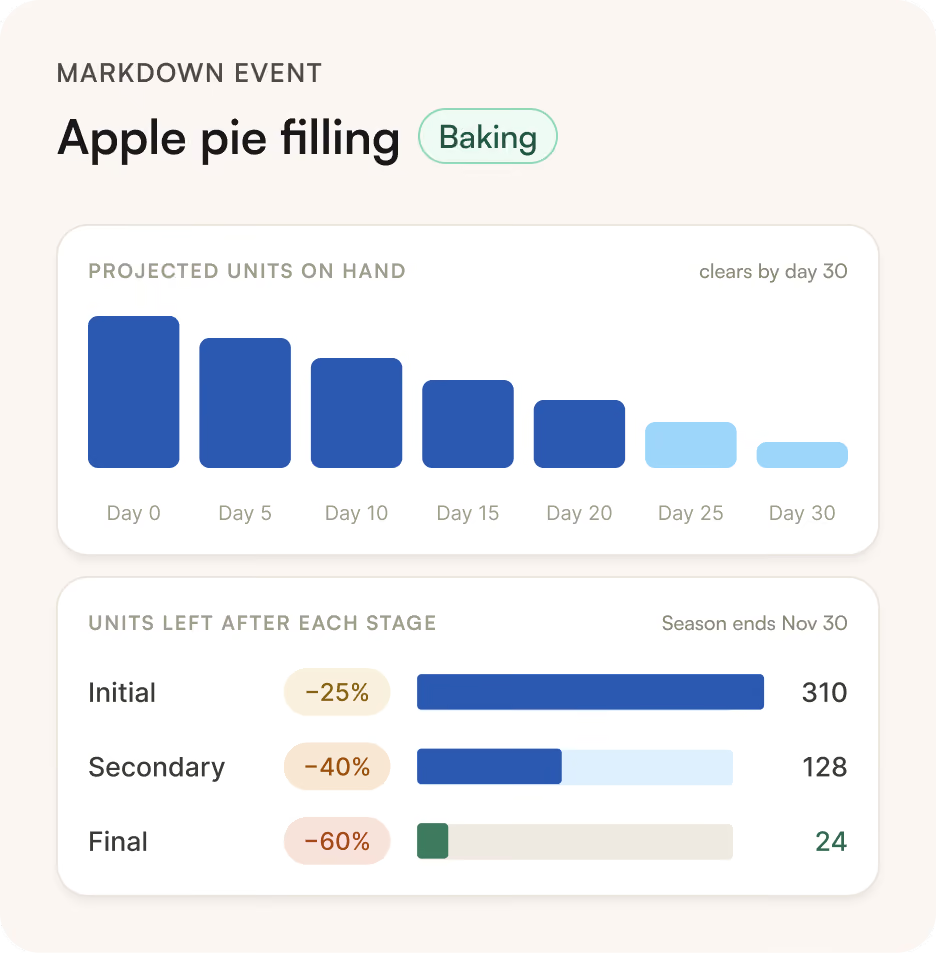
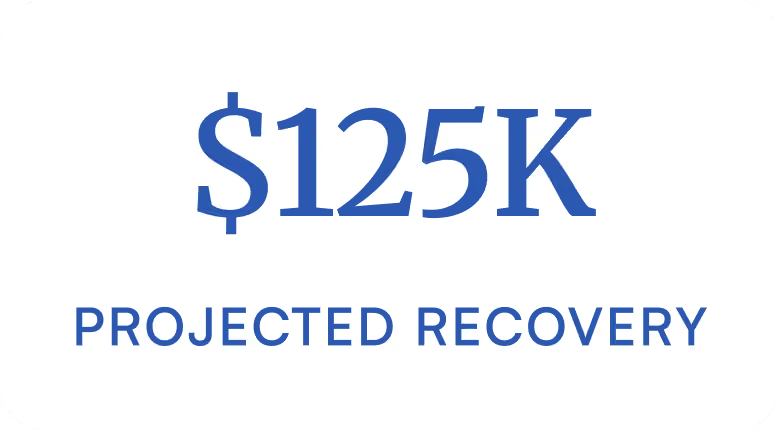
One deep cut at the end is the most expensive way to clear inventory. USDA research has estimated US grocery stores lose roughly 30% of food to shrink and waste. ClearDemand takes the first markdown earlier and smaller, then adjusts as the item sells.
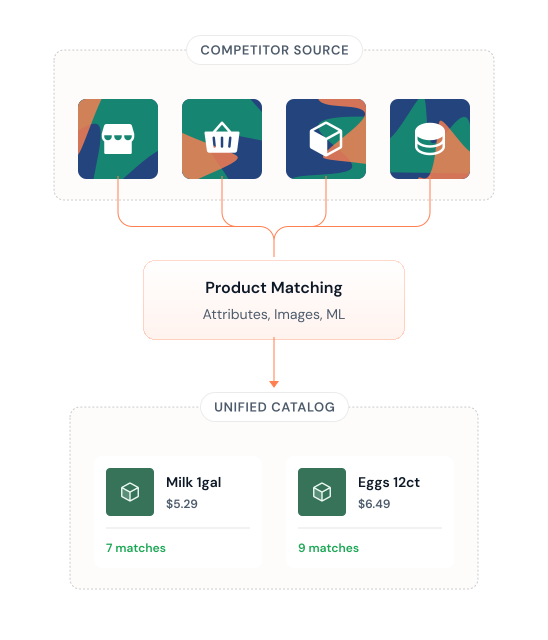
Understand what needs to clear
ClearDemand looks at what inventory is left, how fast it is selling, and how much time remains before the product loses value.
Calculate the next markdown move
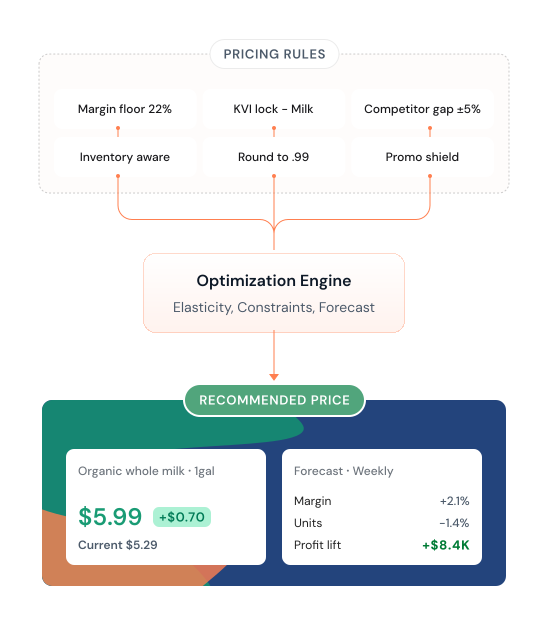
It recommends the timing and depth of the next markdown from grocery demand signals, so teams avoid one big panic cut and protect margin along the way.
Re-optimize until inventory clears
As sales and inventory update daily, ClearDemand recalculates the next best move, so a slow-selling item gets marked again before it runs out of runway.
One item, marked down the smart way
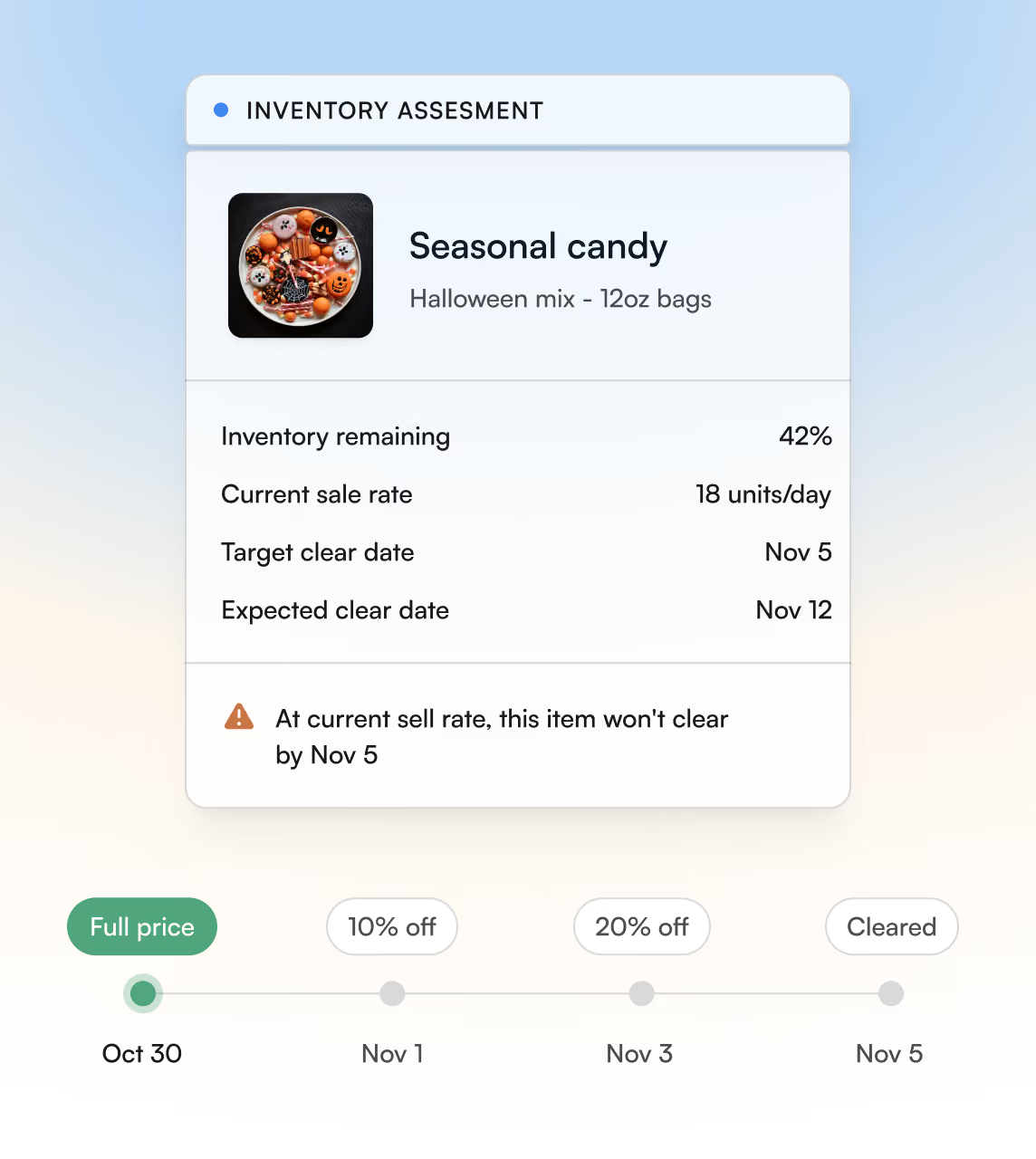
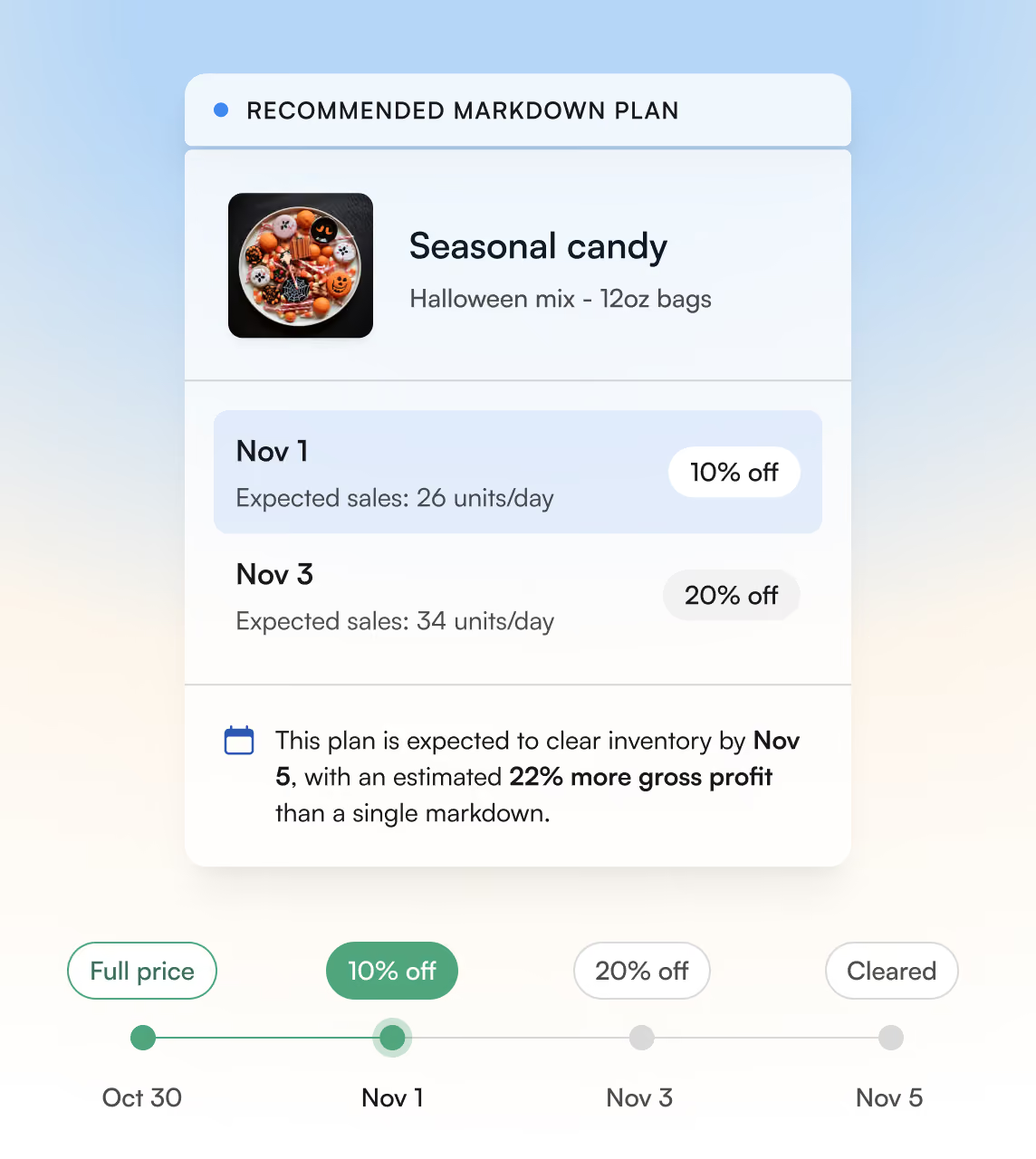
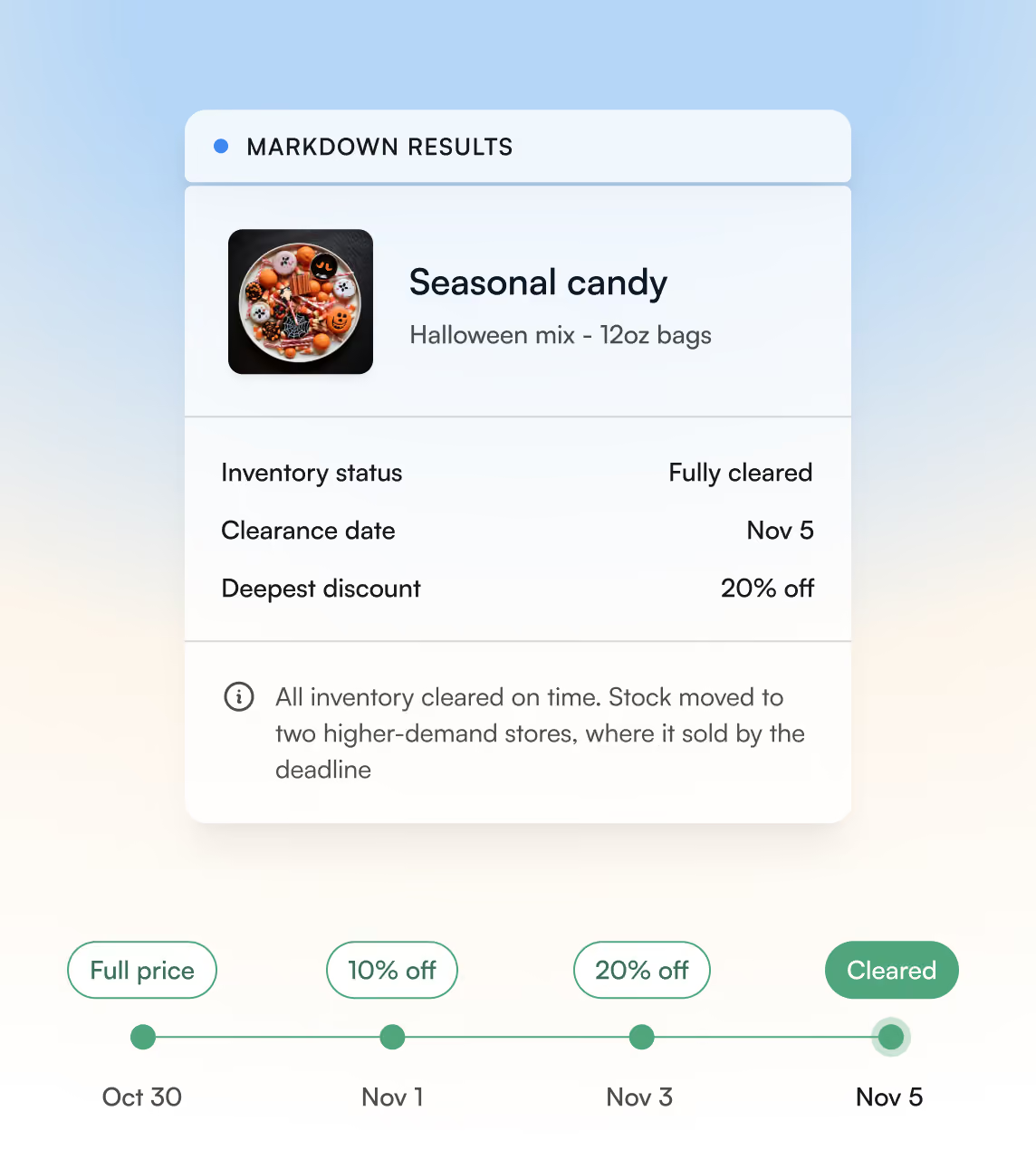
A 12-ounce bag of Halloween candy, 42% of inventory left on October 30, selling 18 units a day, with a hard clear date of November 5. At the current rate it clears November 12, a week too late. The system sees the gap and sequences the markdowns to clear it on time.

Seasonal event items
Halloween candy, Valentine's chocolate, and Easter baskets clear the day after the event or not at all. The markdown has to start early enough to hit the date.
Perishable fresh categories
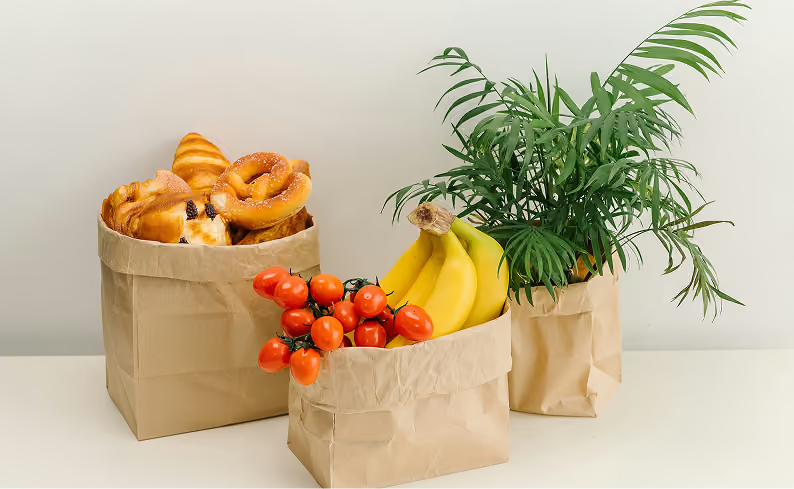
Meat, deli, bakery, and prepared foods have expiration windows measured in days. Timing is the difference between margin recovery and salvage cost.

Calendar-sensitive products
Super Bowl party trays, holiday-dated packaging, and short-window seasonal items have to clear by a fixed date a generic tool never sees on the calendar.

Discontinued and reset items
Products leaving the planogram on a set date have to move to make room for the new set, without deep cuts that erode margin on the way out.


Works inside your rules, not around them
ClearDemand optimizes every markdown, and your team sets the guardrails. Define the rules, limits, and objectives that shape every recommendation, and the system works within them.
Premium Grocer Fuels Growth
A well-known regional grocer grew total profit 2.78% on 0.9% more revenue, with the largest category gains in frozen and grocery.
total profit increase
profit lift in frozen
profit lift in grocery
$6m+ Profit, Leading Convenience Retailer
A leading convenience retailer moved KVI compliance from a 50 to 60% baseline to near 100%, and gave every analyst a full working day back each week.
gross profit uplift
added over two and a half years
back to every analyst, weekly
Four teams, one clearance plan
Know what happens before pricing hits your P&L
Every recommendation arrives with its forecast. Units, margin, and what it does to the items around it. Cannibalization on the 24oz, halo on the decaf. You see the basket before you commit.
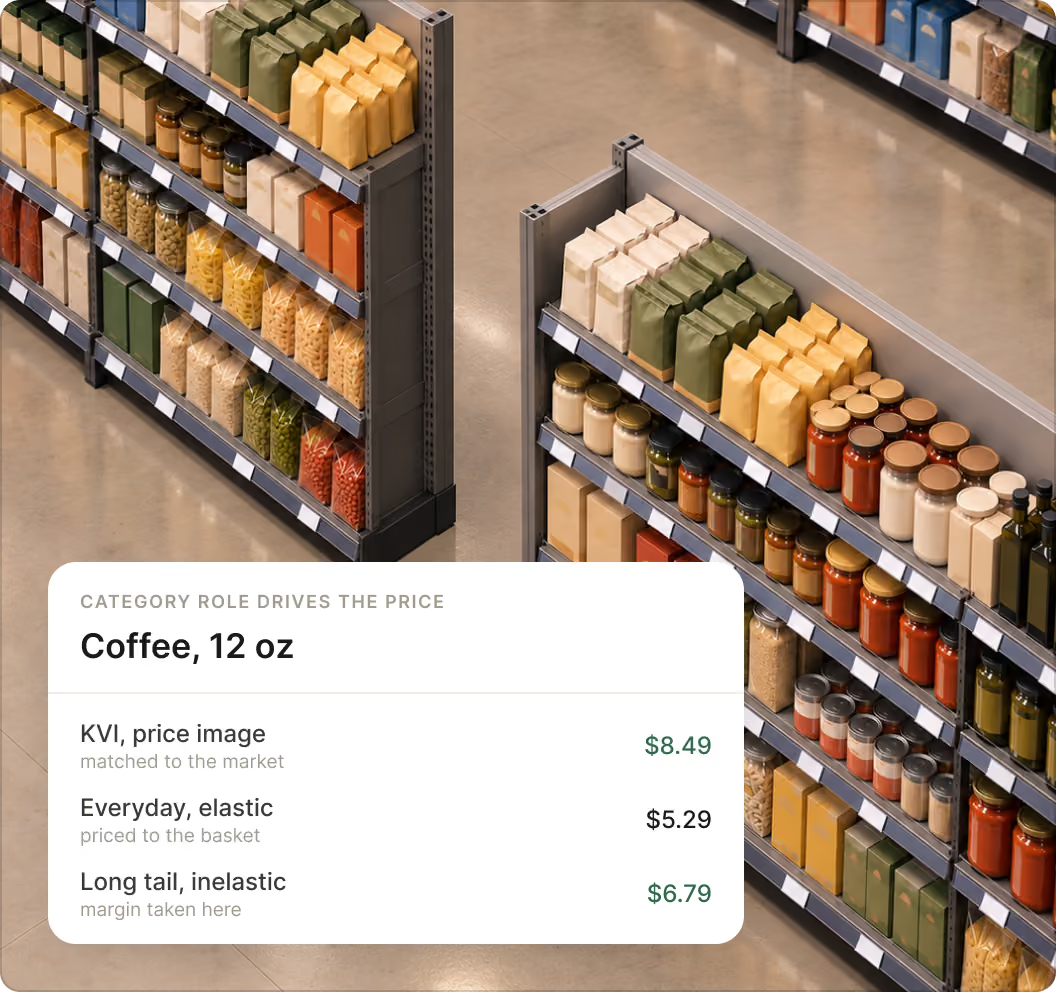
Recommendations your merchants actually run
You set the strategy. The system applies it to every item, every zone, every week. When a merchant asks why, the answer is on screen: the competitive data, the elasticity, the margin tradeoff.
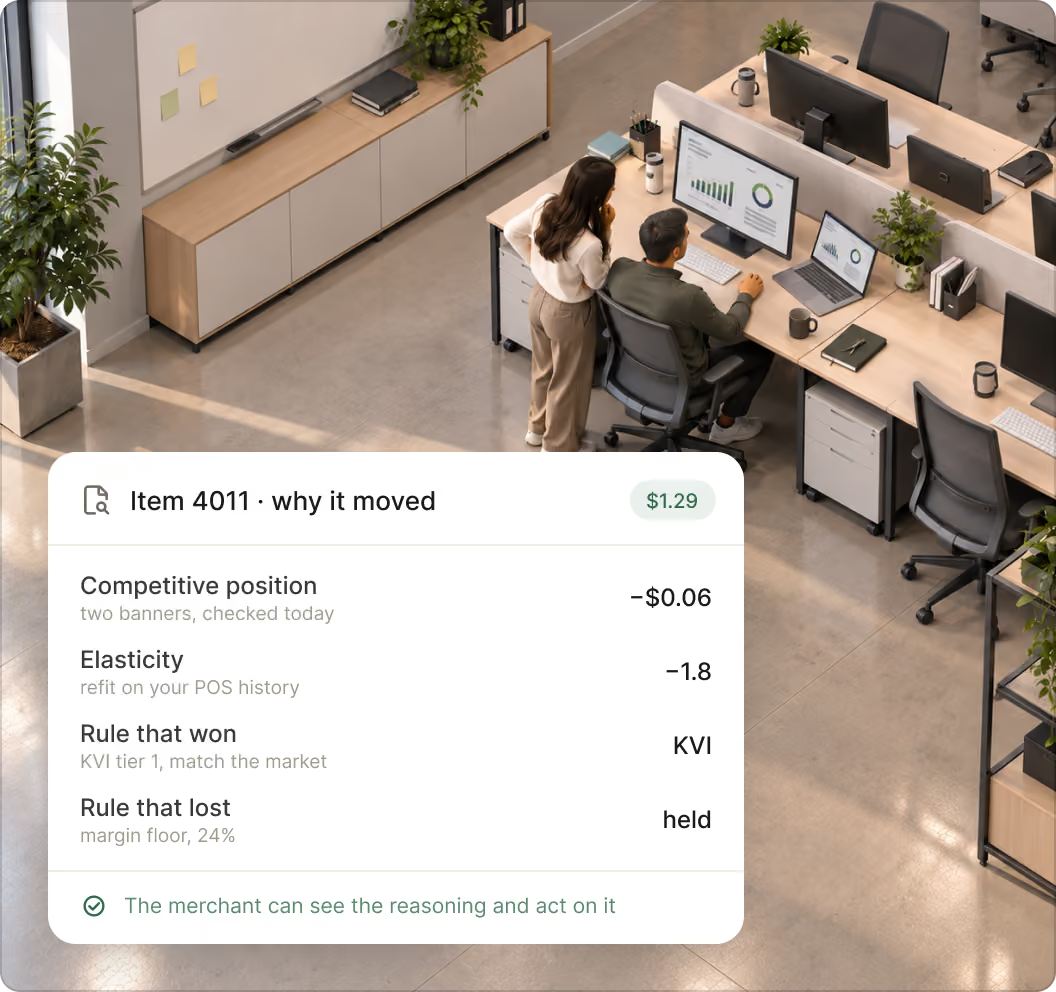
Every decision, measured against what it replaced
Not a forecast. A backcast. Every price change is scored against what would have happened without it. You know what pricing earned you, item by item, and what it cost when the call was wrong.
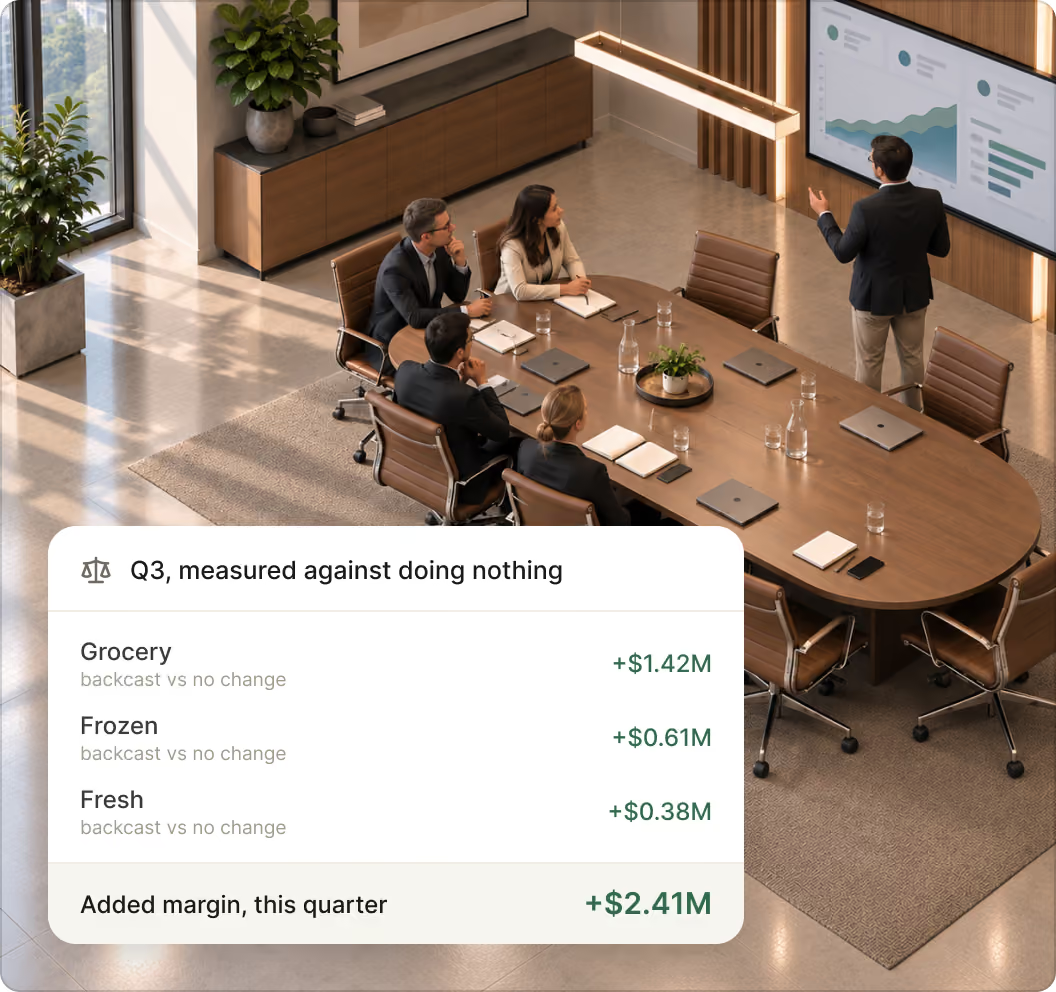
Your pricing data, centralized and optimized
One system unifies your competitive, pricing, and promotion data, optimized by an engine refined over a decade in grocery. We build and carry the integrations, from POS and ERP connection through go-live.
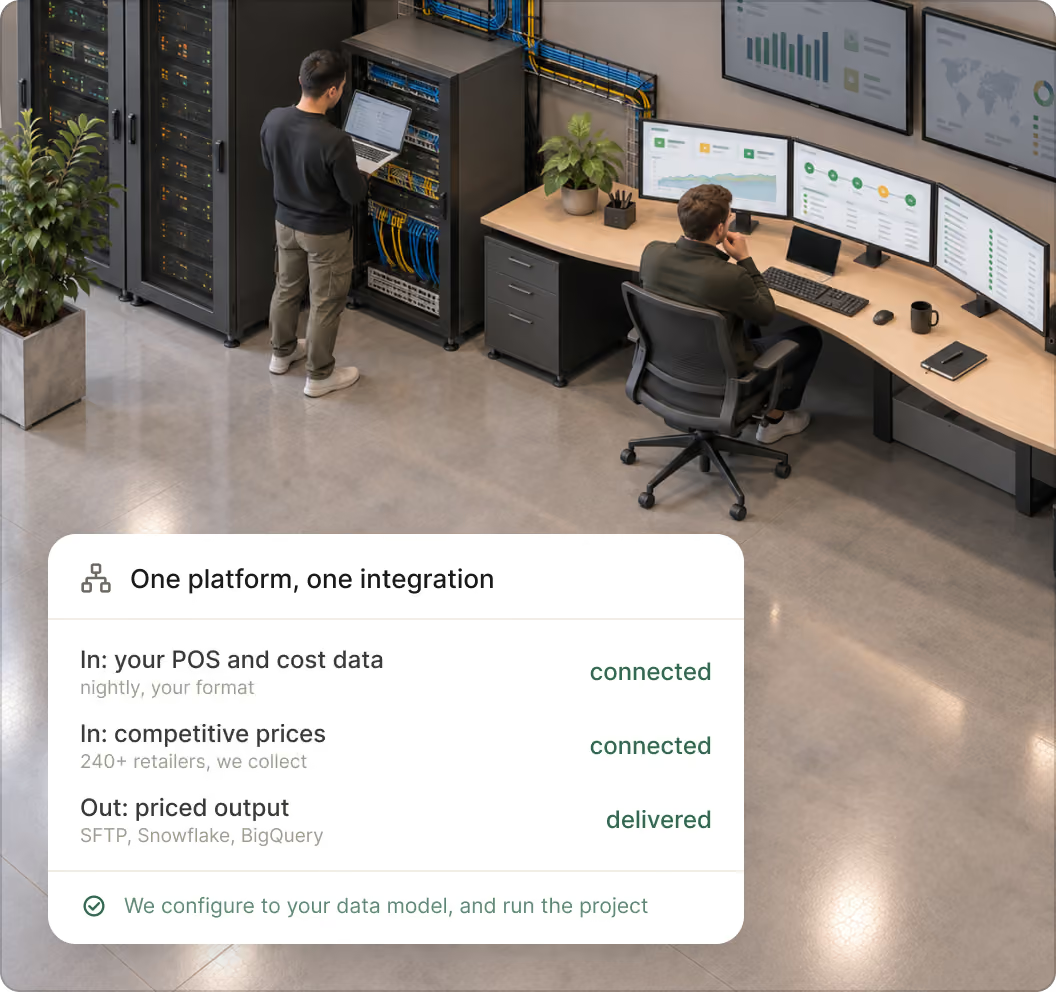
Frequently asked questions
Take control of your markdowns
Bring one seasonal or perishable category. See how the markdowns would have been timed, and what it would have recovered.
