Create conversions with effective assortment gap management

When customers visit your (physical or digital) store, they meet your product assortment. Does your offering lead to a purchase?
Beyond price and convenience, a key element to winning customers over: product.
From size options or flavor to availability or local preferences, it’s important for retailers to have assortment data to drive loyalty and growth.
Walmart
Retailers experiment with their assortment mixes, looking for the secret formula to increase sales.
During Walmart’s Q4 earnings call, Walmart CEO Doug McMillon said, “As we get more assortment on the marketplace, we get more eyeballs coming to our website.”
Walmart focuses on having the right product mix because of today’s omnichannel buying habits. “If you look at our e-commerce business today, it’s an $80 billion business and still growing,” Walmart’s CFO John Rainey explained. “We have a lot of opportunity there going forward,” he added, “and while we’ve always been known for price, we’re also now being known for convenience.”
Walmart’s assortment strategy is known as a mass-market approach. Because of their large presence, Walmart appeals to the mass-market and offers as many products and varieties as possible, catering to an expansive customer base.
How Assortment Planning Works
Retail assortment planning is the process of selecting which products to sell and how many products to stock. This process is crucial to the success of any retail business, as it directly impacts customer satisfaction, sales, and profitability. Retailers with the right assortment meet a customer’s perceived value.
Assortment planning might vary for a retailer based on geographic location. If you have multiple storefronts, the assortment plan for “store A” could be different than the plan for “store B”. For example, a store in the south might have swimwear available year-round while swimwear may only be available seasonally in cold-weather states.
Retailers also plan assortment around product type. Characteristics like size, flavor, and price are important. Retailers want a winning variety and variation in their assortment choices.
How does a retailer decide which products to sell or how many products to stock? To make the right assortment choices, you must understand the market landscape and zero in on success and whitespace.
Assortment Gap Management
Identifying assortment gaps is a key aspect of assortment planning since it allows you to pinpoint missed opportunities. Assortment gaps occur for a variety of reasons — limited count/size format, insufficient stock, or simply not stocking the product at all. Noting these gaps helps you better understand customer preferences and gives you insight into where you can build up product offerings.
Retailers might find assortment gaps from surveys, online reviews, or social media. Listening to your customers helps you learn which products and categories are most important.
With this level of feedback, customers might point out where they’re unhappy with the current product offerings (i.e.; need a bigger size, want different flavors, could use a lower price point).
Retailers also uncover assortment gaps through data. Retailers can analyze assortment data to understand which products and categories are selling well, and which are not.
Data shows whether you’re carrying products that customers aren’t buying and what products your competitors are stocking.
Assortment gap management means product offerings that lead to conversions and helps you foster loyalty that drives growth.
Retailers can’t overlook the importance of assortment gap management. Data analysis will pinpoint areas where you may be missing opportunities to meet customer demand and will ultimately lead to a more successful and profitable retail business.
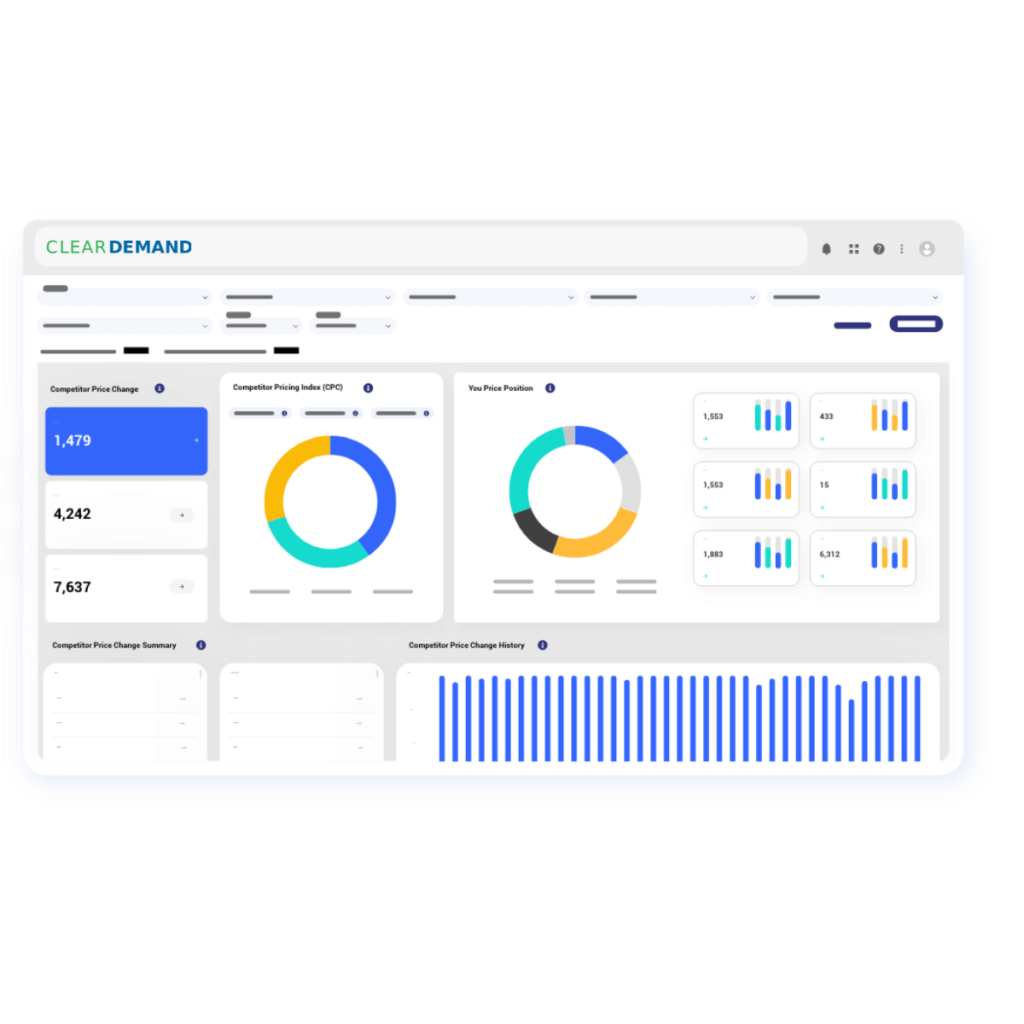
Data Collection + Actionable Insight
But where do you obtain reliable assortment data?
Many assortment tools collect competitors’ data, gather omnichannel price and product data, then create insights based on those prices and product mixes.
Competitive intelligence platforms collect assortment, price, promotion, and availability data from across all competitive catalogs and deliver intraday, store-level market coverage.
Retailers who want to easily manage assortment gaps should look for a provider that can:
- Centralize assortment gap intelligence with alerts
- Prioritize assortment opportunities with simple rankings
- Drill down to assess cross-functional impact
- Integrate with syndicated sales data providers
- Quantify potential revenue impact of new products
When it comes to assortment, the goal is to meet the needs of your customers. When it comes to our company, the goal is to provide you with high-quality competitive data and accurate insights that increases your conversions.
Related articles


See it on your own data
Bring your categories and competitive set. See what the model recommends, and why.