Uncover Profit Opportunities with Category Analysis
Reading Time: 11 Minutes
Welcome to the eventful world of category management and analysis.
Category managers orchestrate the symphony of products within a specific category. It’s the art of combining procurement, pricing, and merchandising to ensure customers have a great shopping experience.
Pricing is a critical element to category operations; endless hours are spent monitoring the competitive landscape and sales data to determine what (profitable) adjustments to make.
Research notes that retailers practice category management with several ends in mind, but increasing profitability, growing revenue and optimizing item mix are the most important motivators.
Category analysis reveals insights that can turn your retail business into a customer-connecting and competition-beating powerhouse.
Buckle up and get ready to explore how pricing engines can help you effectively analyze category data and find hidden profits.
The Goal: Winning Product Categories
A group of products that offer similar benefits are referred to as product categories.
For example, a product category at most grocery stores is breakfast cereals. Within the category, you’ll find various brands, flavors, and types of cereals. Through sales data analysis, you might learn that organic cereals are growing in popularity, while sugary cereal options are declining. With this insight, the retailer might adjust pricing strategies and choose to stock more organic varieties. Through competitive intelligence analysis, you can learn when your biggest competitors are out of stock on a popular product or see how their pricing approach compares to yours.
Competitive intelligence strengthens your category analysis. With accurate competitive intelligence, you can identify risks and opportunities and make data-driven decisions to execute on your strategy.
Ultimately, effective product category analysis is the key to growth and success. It enables you to optimize inventory, make data-driven pricing decisions, and create a better shopping experience for your customers.
Making Product and Category Decisions
Today, retailers make product and category decisions through a variety of methods, often influenced by the scale of their operations, industry trends, and available technology. Some common approaches are:
- Manual analysis – relying on the experience and intuition of the merchandising, pricing, or category management team.
- Data crunching – using spreadsheets to manage and analyze competitive data, sales data, and trends.
- Data-driven insights – leveraging machine learning and AI algorithms to provide insights and ensure optimal pricing.
- Customer feedback – surveying customers to understand their preferences and make informed category decisions.
We see more retailers adopting a data-driven, automated approach to category operations. Because of the massive data sets to analyze across categories and products, we think anchoring your operations in data, automation, and optimization is the best approach to be responsive to market changes and drive growth.
Category Management Blind Spots
Category managers face a multitude of challenges and relying on intuition leads to missed opportunities.
For starters, there’s a ton of data. Grocery aisles (and ecommerce sites) house thousands of items. Effectively analyzing products at scale is overwhelming. Plus, if you’re looking at data from different sources, it may be inconsistent or incompatible, requiring a significant effort to clean and harmonize before true analysis begins.
There’s also intense competition in grocery, which means category managers have to regularly monitor the competitive landscape to understand risks and opportunities across price, promotion, and assortment. Seasonal trends and competitor promotions can impact a category’s pricing or demand.
Private labels and perishables pose a challenge too.
Retailers are charged with balancing the profitability of a private label against a national brands price perception. To manage pricing for perishables – that have a limited shelf life – makes it challenging to automate pricing rules or optimize prices.
Data is at the heart of retail / category operations. Your data / tools should help you answer these questions…
- Which product categories contribute most to the total sales / which categories are not performing well?
- Can I analyze my prices for risk and opportunity?
- What are the competitor low / high prices on the most popular products?
- Should I make changes to any prices? If I do, can I measure the impact of the change?
How to Easily Analyze Category Data
You spend countless hours monitoring price changes to determine what prices changes to make (and why). We can help you answer those key questions above too.
Here are 5 reasons retailers love our price optimization engine:
- Accessible Information: You get an instant view of where your business is; your price position, the competitive price index, competitor price changes.
- Assortment Management: With data-driven insights, you can identify assortment gaps and optimize the product mix.
- Price Elasticity Analysis: You can understand if customers are sensitive to price changes and make smarter decisions about category and product pricing.
- Promotional Effectiveness: Price optimization software can help you evaluate promotional events so you can build a strong promotional calendar.
- Price Recommendations: Find out the optimal price – at the product level – based on market data, sales data, and strategy. It’s never been more simple to understand your market position.
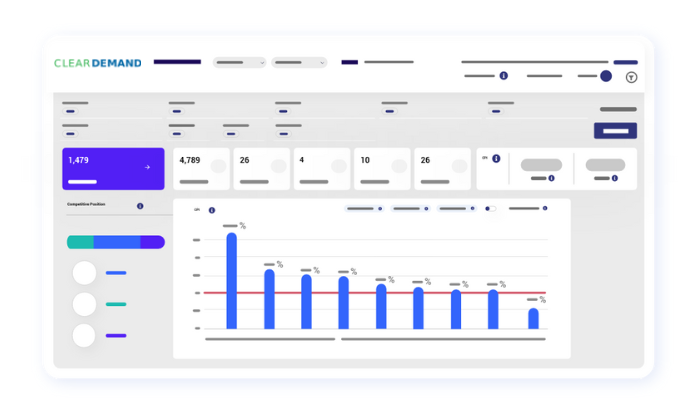
The Hub for Your Category Analysis & Pricing Decisions
A price optimization solution offers a range of benefits, from competitive analysis to supply chain optimization, all contributing to better-informed decision-making for a retail category manager.
In the modern world of retail, price optimization stands as a pivotal strategy that transcends traditional approaches to pricing. With the advent of advanced data analytics, machine learning, and real-time market insights, retailers can no longer afford to rely solely on siloed data and tools.
Price optimization serves as a compass, guiding retailers to make informed decisions, enhance customer satisfaction, and maintain financial viability.
Book your price optimization demo today »


How One Grocery Retailer Used Price Optimization to Boost Profit +2.78%
When you’re a premium grocery retailer, every price point matters. Discover how a leading grocery retailer, facing the everyday challenges of the retail
Read
2026 Grocery Pricing Readiness Checklist: Compete Smarter with Data, Elasticity, Optimization
With new year planning underway, grocery category managers and pricing teams are asking, » Where do my prices stand in the market? »
Read
Why Price Wars Hurt Grocers – and What to Do Instead
Most grocers can’t point to which price changes drive profit (or which ones quietly destroy it). That’s because pricing decisions are reactionary. Cut
Read
KVI Analysis: How a Few SKUs Can Transform Your Price Image
Shoppers don’t memorize every price throughout your store. They remember a handful of high-visibility items and use those prices to judge your overall
Read
Pricing with Confidence: How Grocers Turn Pricing Science into Strategy
When it comes to grocery retail, pricing isn’t just about numbers… it’s about strategy, perception, and purpose. Grocery retailers have more data than
Read
Everyday “Fair” Pricing – The End of Hi-Lo as We Know It?
Is Alix Partners on to something? Every shopper loves a deal and today, finding one only takes a swipe. With smartphone in hand,
Read Assortment Analytics for Grocery Retailers: How to Cut Cost, Not Opportunity
The right assortment drives trip frequency, basket size, and shopper loyalty. You’re probably carrying more SKUs than you need. And that’s not just
Read
Master Pricing: The Blueprint for Grocery Price Optimization
“The days of spreadsheets and gut-feel pricing are behind us,” said Steve Thornberry, VP of Sales at ClearDemand. “Retailers need science-backed decisions that
Read
Grocery Promotions That Perform: Forecasting Is the Key
Every grocer knows the drill: build the flyer, push the promos, hope for the lift. But week after week, many promotions fail to
ReadThe Latest Insights – Straight to Your Inbox
Sign up for the ClearDemand mailing list for actionable strategies, upcoming events, industry trends, and company news.