
See every competitor. Fuel your price.
Retail competitive intelligence for grocery. More than 7 million competitor prices a day, matched to your items down to the store, inside the same system your team sets price in.
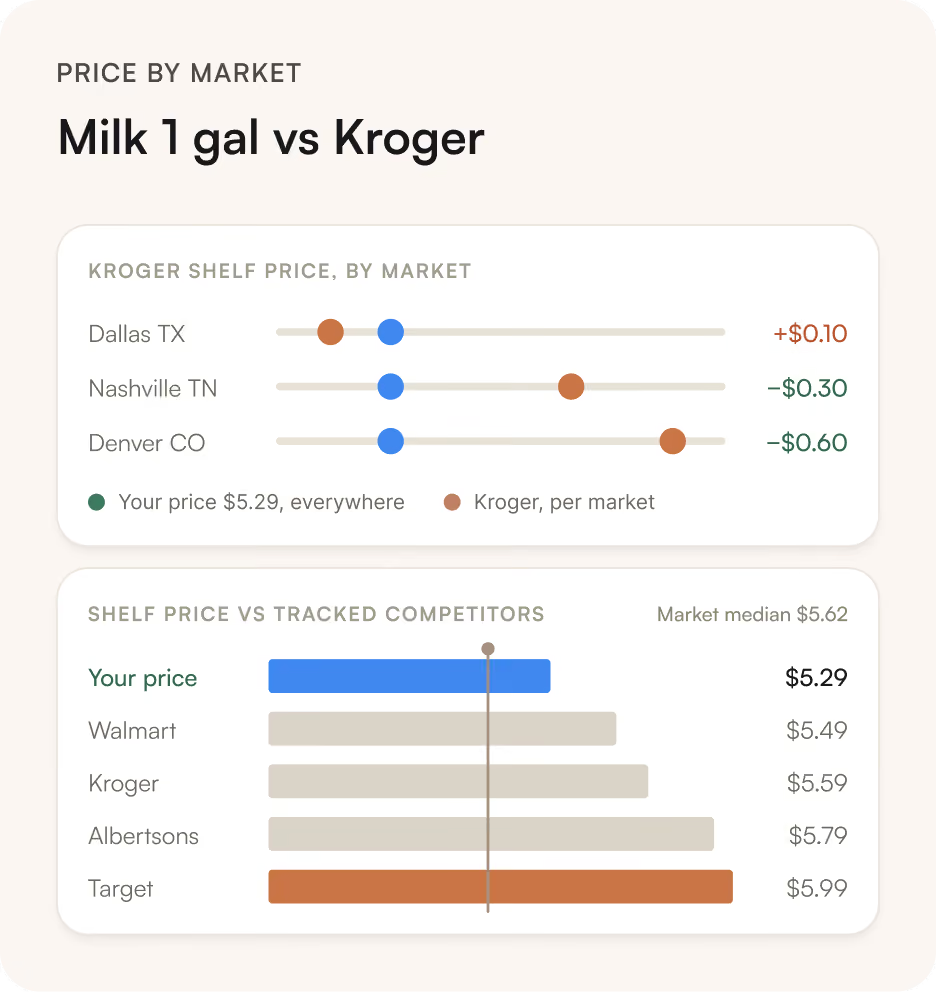




















Where does competitive pricing data come from?
When a national chain reprices 40,000 items in a week, you need to know what moved, where, and by how much. ClearDemand collects that data rather than licensing it, and lands it where your team sets price.

Regional grocers are competing with a data disadvantage
FMI found shoppers visit more than five separate grocery banners in an average month. McKinsey found price perception concentrates on protein and dairy, with eggs, ground beef, chicken, and milk each named by roughly half of shoppers. Your price image is being formed on those items whether you measure it or not.
Capture competitive data you can trust
Competitor prices, promotions, assortment, and availability, collected from websites, apps, and the sites that block most crawlers, at store and zip level. Your key value items refresh most often. The long tail refreshes less.
Monitor fast-changing competitor activity before gaps widen.
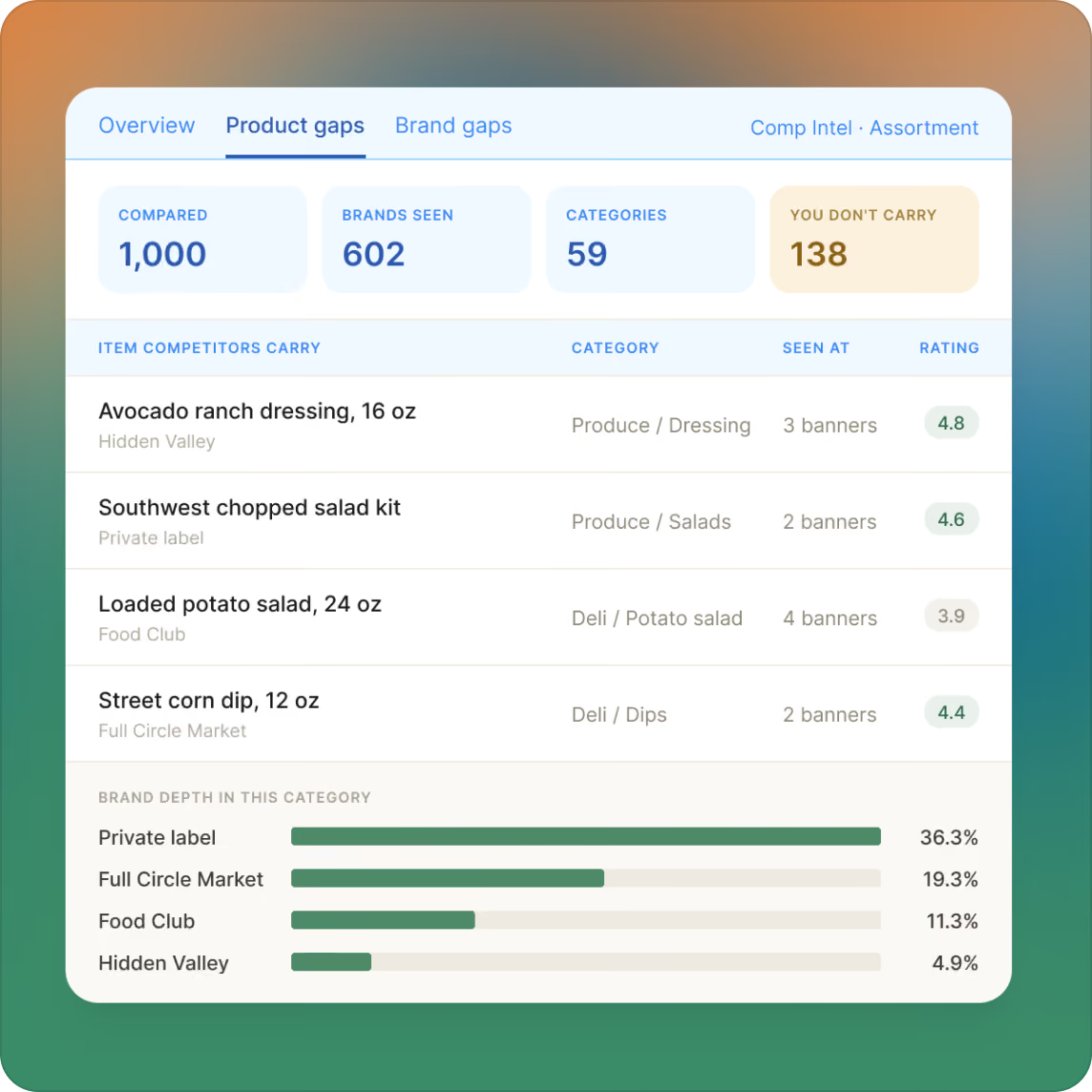
Track competitor product, brand, and category coverage.
See when competitor items are out of stock or unavailable.
Matching is the hard part
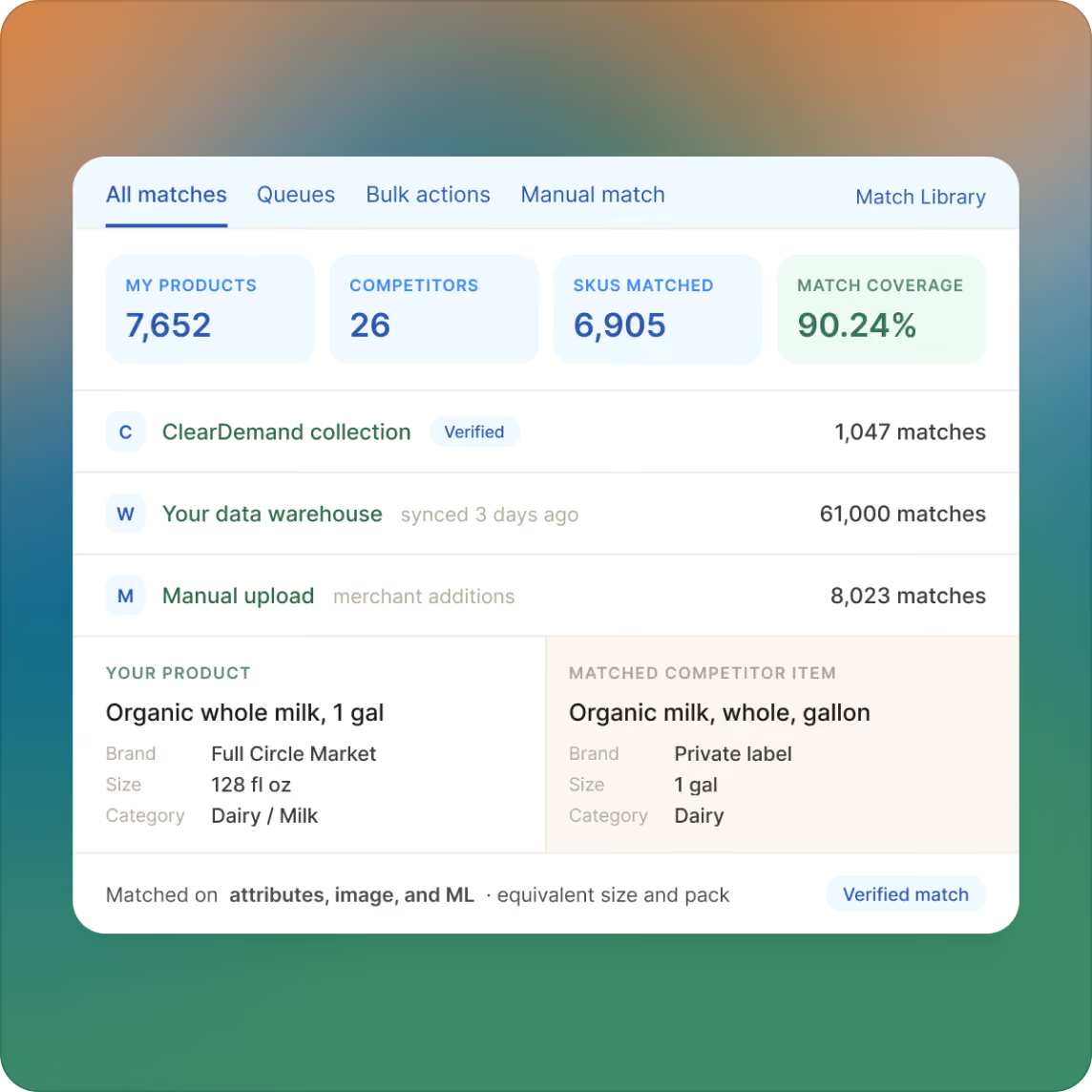
Anyone can collect a price. Matching a competitor’s two percent reduced fat gallon to the right item in your file, then matching it again after they rename it, is where competitive intelligence projects fail.
Produce, deli, bakery, and meat, with weights and pack sizes equalized. A 12 ounce item is compared on price per ounce, not on shelf price.
Your opening price point held against the national brand equivalent, so you find out the gap has closed before a shopper does.
Matches re-form automatically when a competitor renames an item, changes a pack size, or drops it. Only the ones that need a human decision reach your team, ranked, rather than the whole list.
Your position, store by store
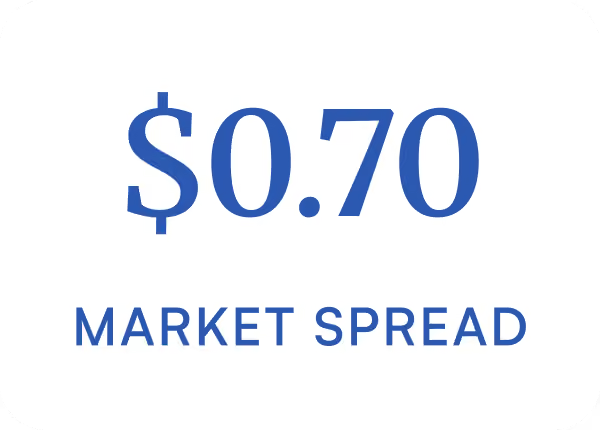
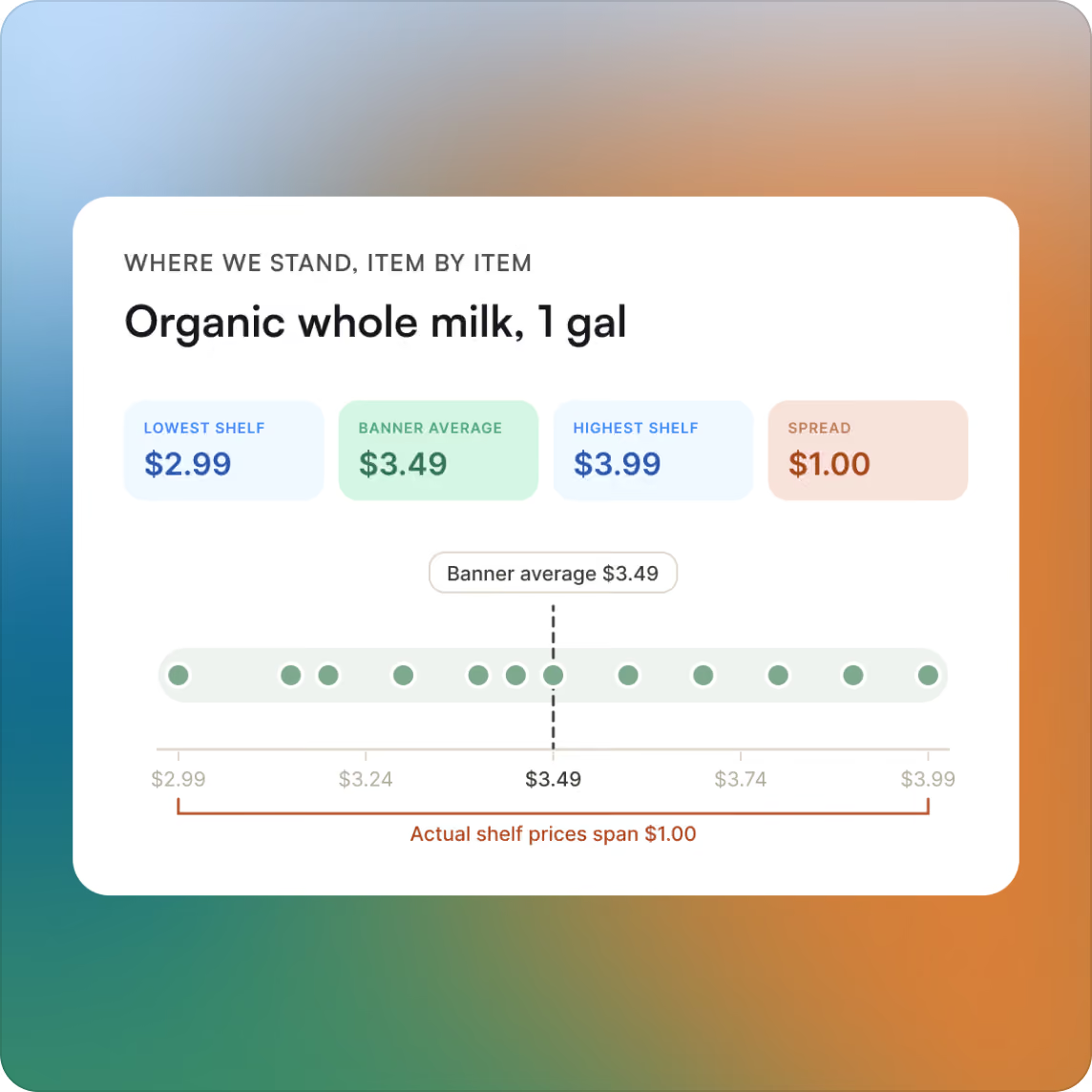
Banner-level data averages away the thing that matters. Two stores in the same banner, forty miles apart, face different competitors and need different prices.
Price index by banner, store, market, and zone, weighted by sales or margin rather than a flat item count.
Your position on milk, eggs, and the rest of the short list shoppers judge you by, refreshed most often.
Your catalog against each competitor’s full book, so you defend the whole territory rather than only the price tag.
Add rules and the data acts on itself
Most competitive data arrives as a file and stops there. Here it arrives inside the pricing workflow. Comp Intel plus Rules turns it into a price: you set the rule, competitive movement triggers it, your team reviews what it produced.
Stay within three percent of your nearest competitor on key value items. Hold a set gap to the national brand. Never be beaten on milk.
Inviolable policies never break. Best-effort rules flex by the priority you set, and conflicts resolve the way you decided.
The margin impact of every active rule, so the constraints that cost more than they protect are the ones you retire.
Your competitive position, visible in 30 days
Competitive intelligence is the fastest path to value and asks the least of your team. Start with intelligence on its own, add rules when you want the data to act, and add demand science when you are ready.
Your competitive set, defined
Collection running, matches forming
Your position, on screen

Retail Pricing And Assortment Automation
A regional grocer cut cleansing time and data management cost without adding headcount, processing more than 7 million competitive data points a day.
faster competitive data cleansing
lower data management costs
From Manual Pricing to $6M+ in Profit: How One Convenience Retailer Transformed Their Margins
gross profit within 2.5 years
uplift in gross margin across 10+ key categories
saved weekly through automation
Four modules, one demand model
Hold price image, find the margin
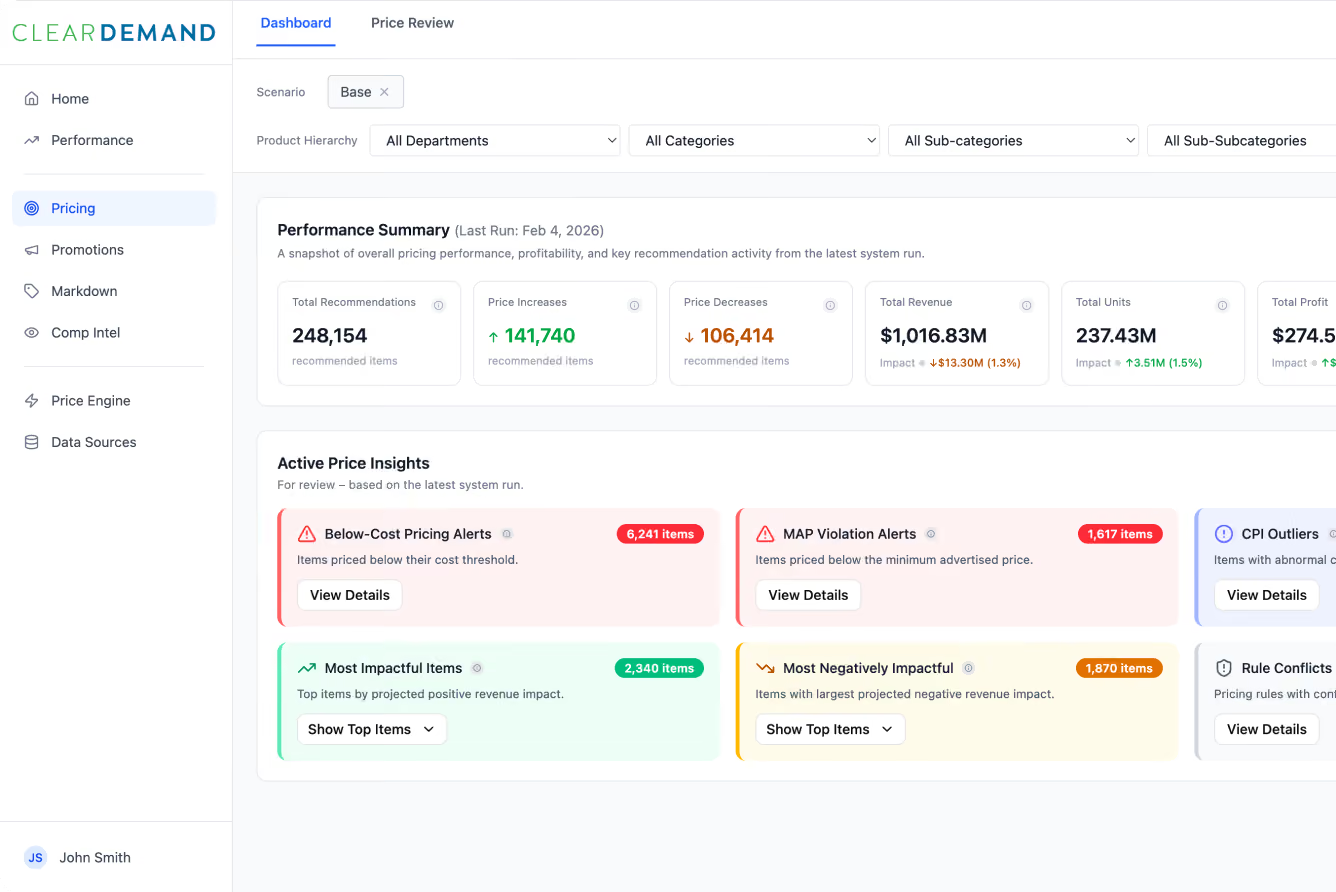
Everyday price solved item by item and zone by zone, with your rules applied and the KVIs shoppers watch held sharp.
Fund the offers that earn their keep
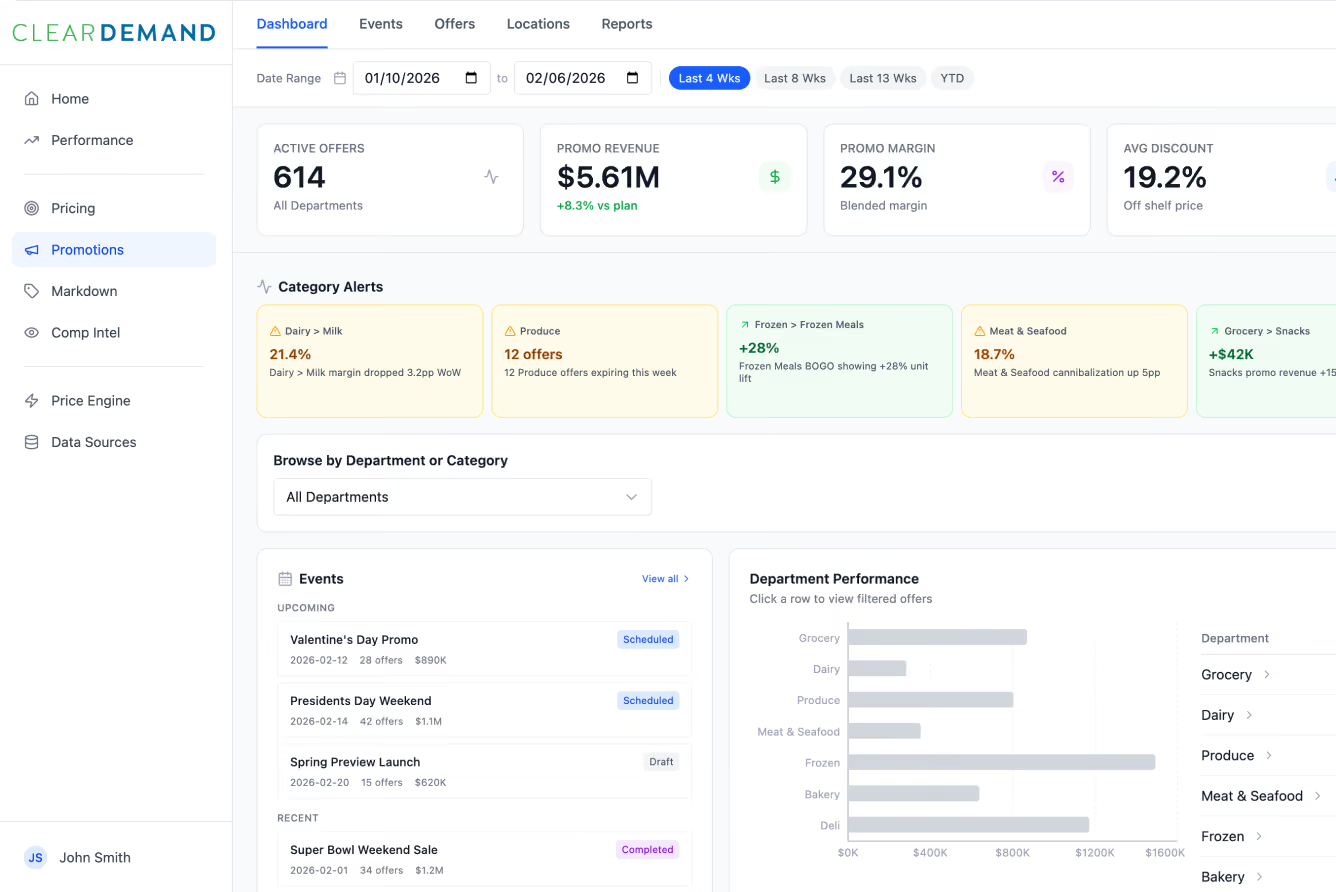
Model deal mechanics, depth, and timing against the base price behind them, and see the basket impact before the ad drops.
Clear inventory without giving away margin
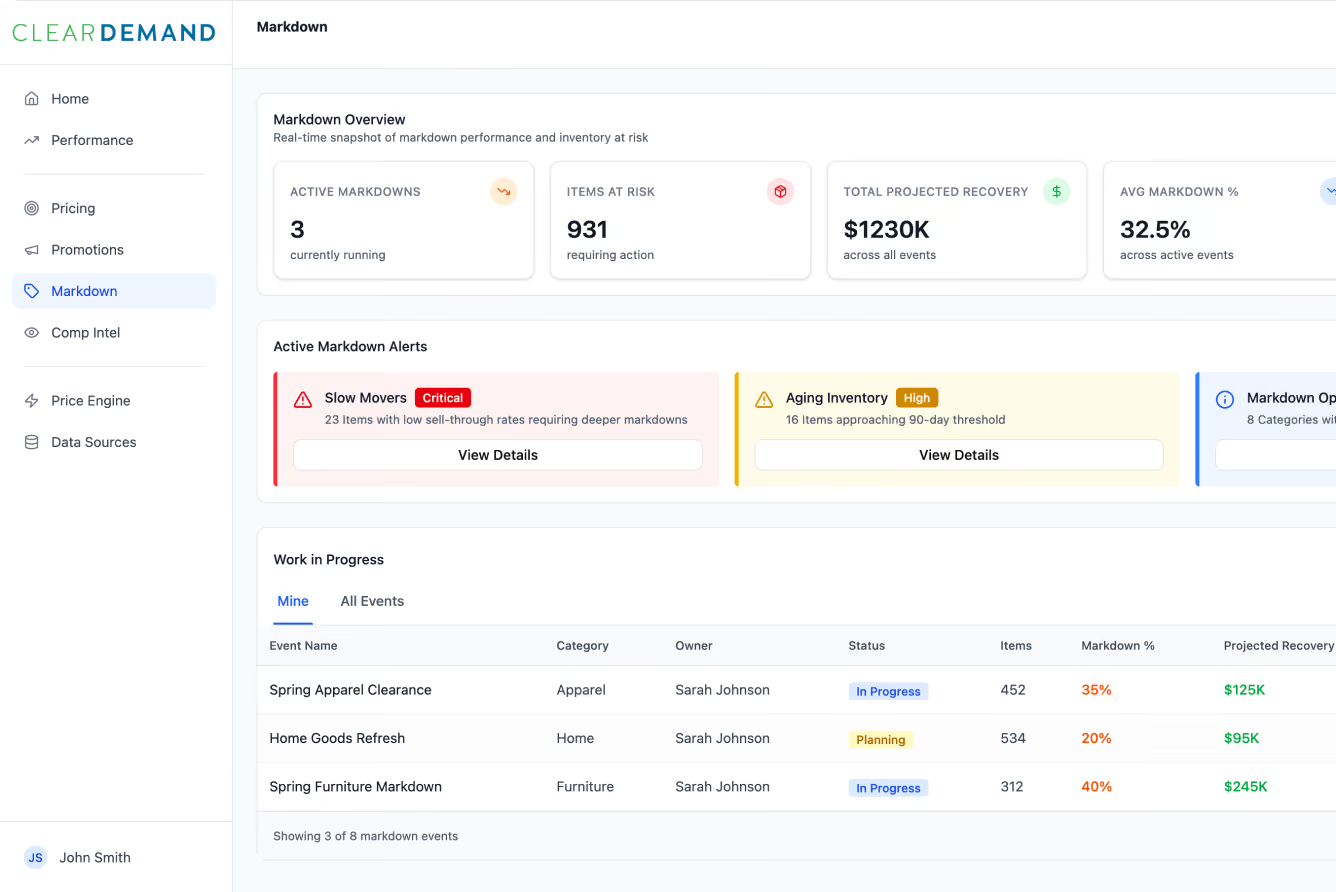
Markdown timing and depth priced on demand response and inventory position rather than a blanket percentage off.
Frequently asked questions
See where you actually stand
Pick one category and your three closest competitors. We will show you your position.
