
Set the strategy once, and have it hold all the way to the shelf.
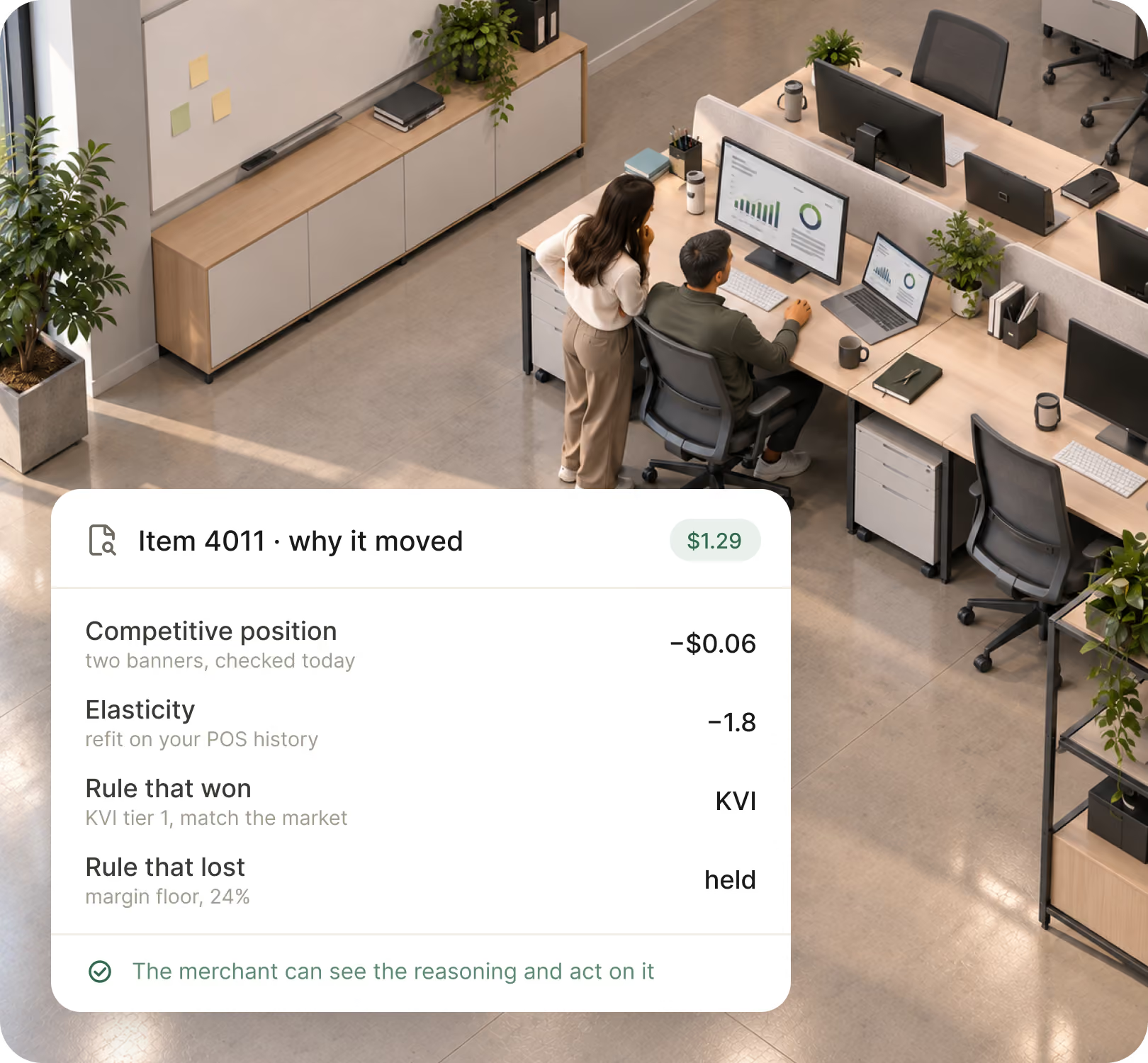
Every recommendation shows the competitive data, the elasticity, and the rules behind it, so the merchant reviewing your work can see the reasoning and act on it.




















Your strategy erodes between the model and the shelf
Overrides pile up, rules contradict, exceptions get worked one at a time, and the plan leadership approved doesn't make it to the store. ClearDemand is price and promotion optimization for grocery and convenience pricing teams, built so every recommendation carries the reasoning that gets it approved.
Recommendations Without Reasoning
Recommendations That Show Their Work
Built for the small team that runs weekly pricing jobs
Walmart reprices 40,000 items in a week, your competitive file arrives dirty, and your merchant wants to know why item 4011 moved. ClearDemand is built for that asymmetry.
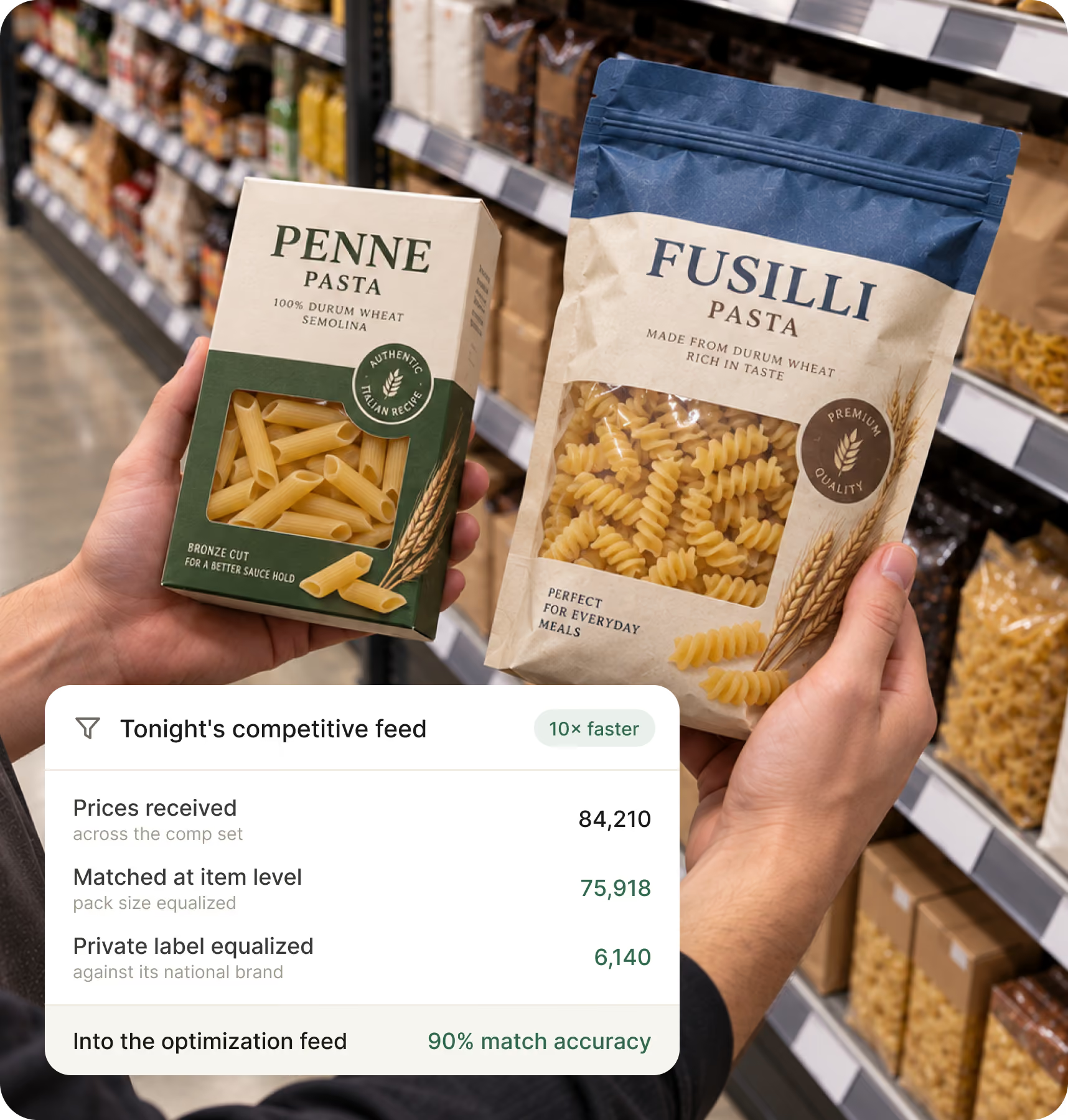
Competitive data clean enough to price on
Matching runs at the item level with pack size and private label equalized, and outliers get caught before they reach the optimization feed. One grocery team cut data cleansing time tenfold.
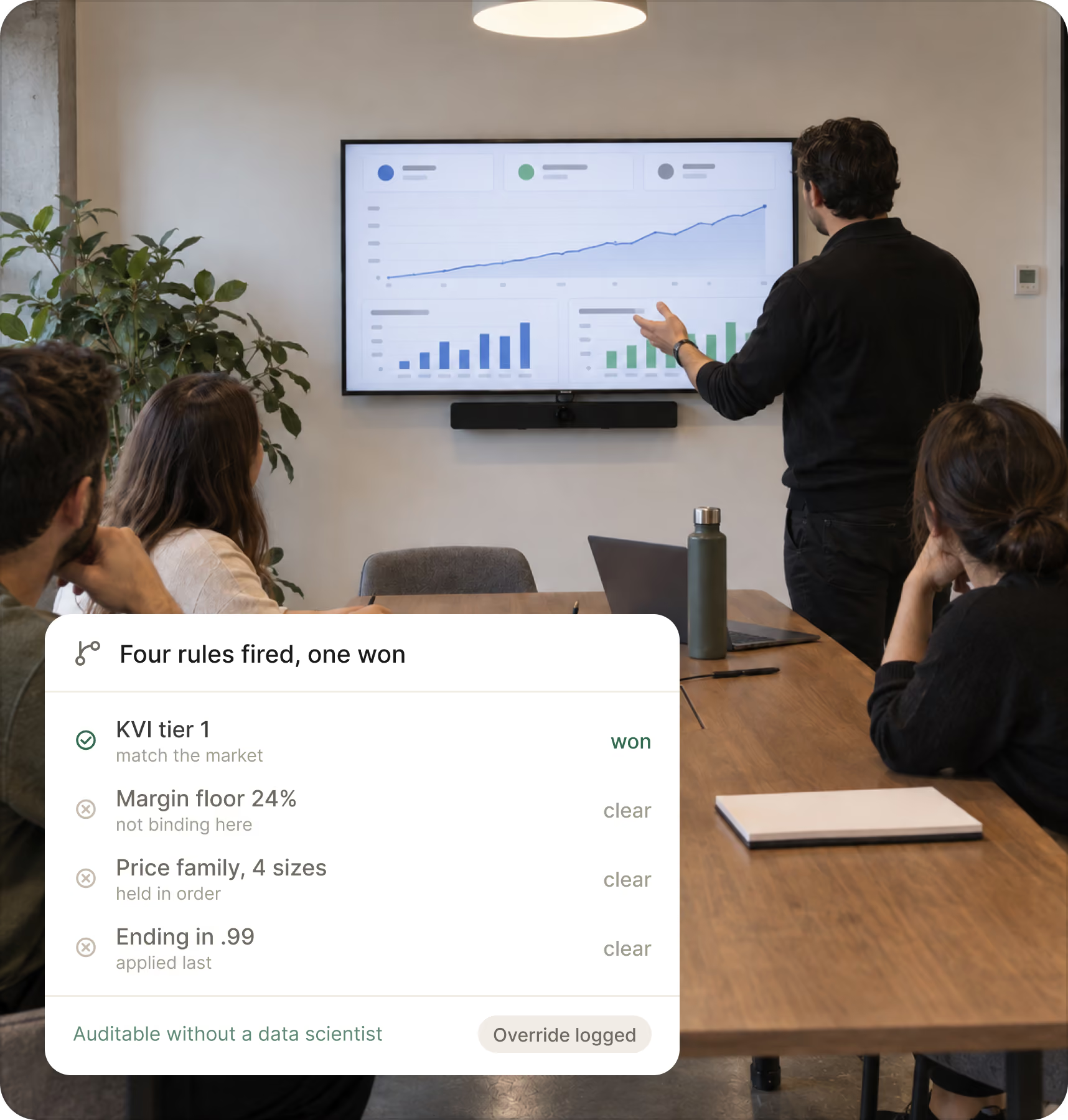
Every recommendation carries the case that made it
Open any item and see the competitive position, the elasticity curve, the rules that fired, and which guardrail won. Auditable without a data scientist, and defensible in a review meeting.
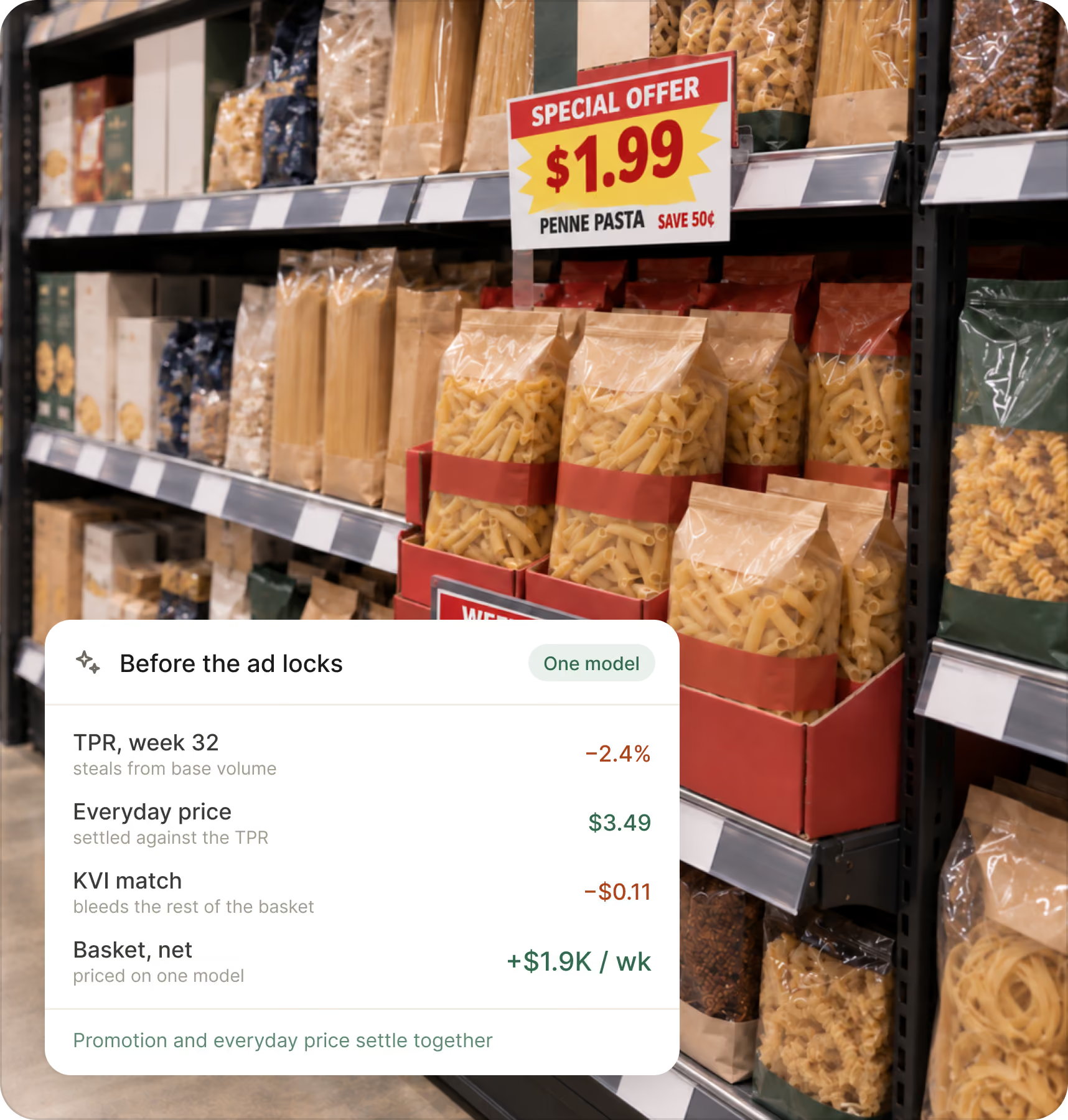
One demand model across price and promotion
A TPR that steals from base volume and a KVI match that bleeds the basket are the same problem. Both get priced on one model, so promotion and everyday price settle before the ad locks.
How One Food Distributor Saw $719K in Margin Growth with Price Optimization
incremental margin in 6 months
improvement in margin rate
projected incremental margin

Seven subcategories, 5% of revenue, ten times the return
A 450-store west coast operator modeled 109 million transactions, repriced seven subcategories carrying 5% of merchandise revenue, and lifted revenue 1.9% per store per week.
annual profit
return on investment
weekly revenue/store

Data costs down 40%, insight generation up 200%
A leading grocery retailer automated competitive data feeds and product matching, cut data management costs 40%, and freed the team to work on strategy instead of cleaning files.
lower data cost
faster data cleansing
more insight
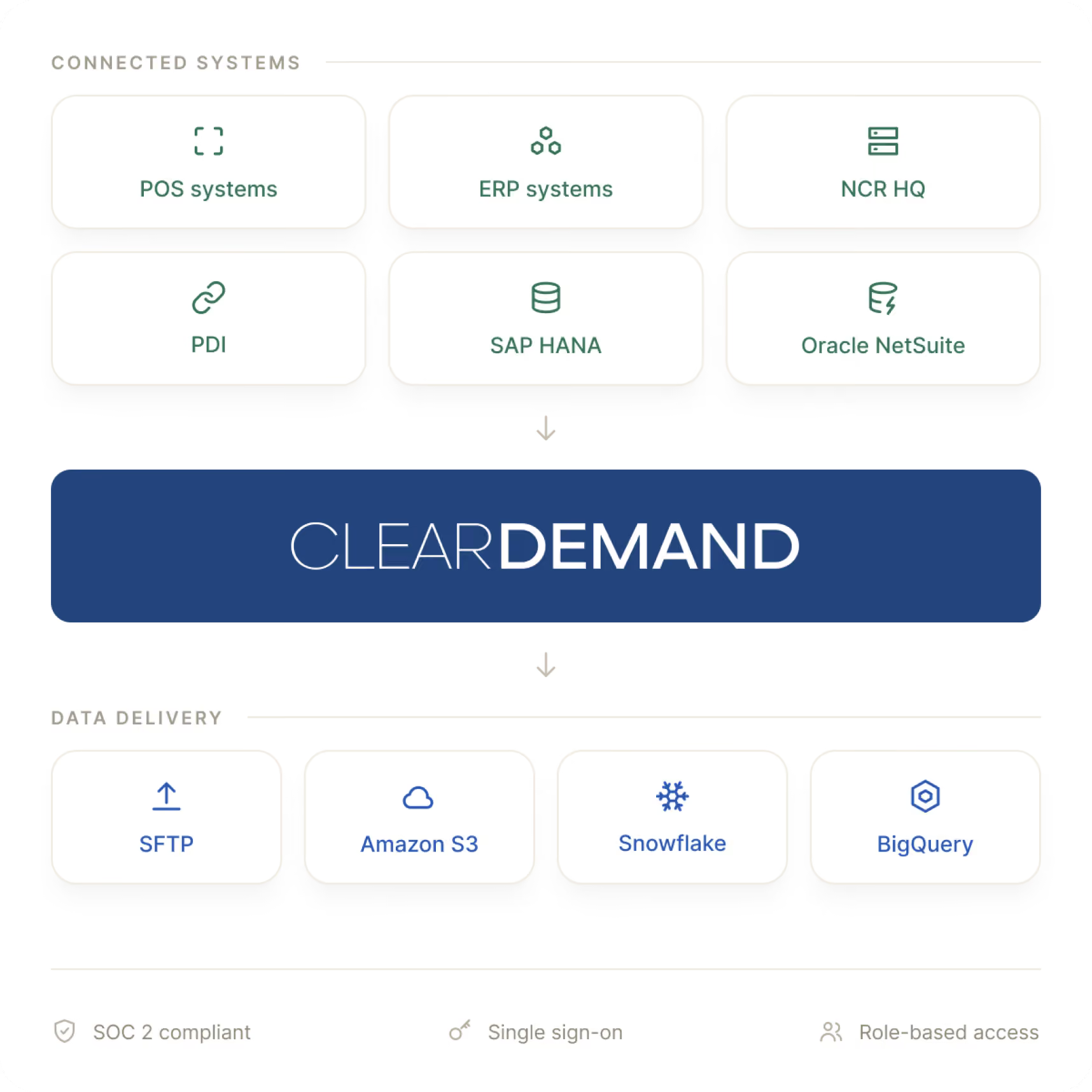
What systems does ClearDemand connect to?
POS, cost, hierarchy, and promotion files come in on your schedule. Priced output goes back over SFTP, Snowflake, or BigQuery, downstream to stores, shelf labels, and replenishment. SOC 2, SSO, and role-based access come standard, and we carry the integration through go-live.
Resources for Pricing Teams
Questions pricing leaders ask
See it on your assortment
Bring one category and your competitors. See the recommendation and the reasoning
