How one food distributor saw $719K in margin growth with price optimization
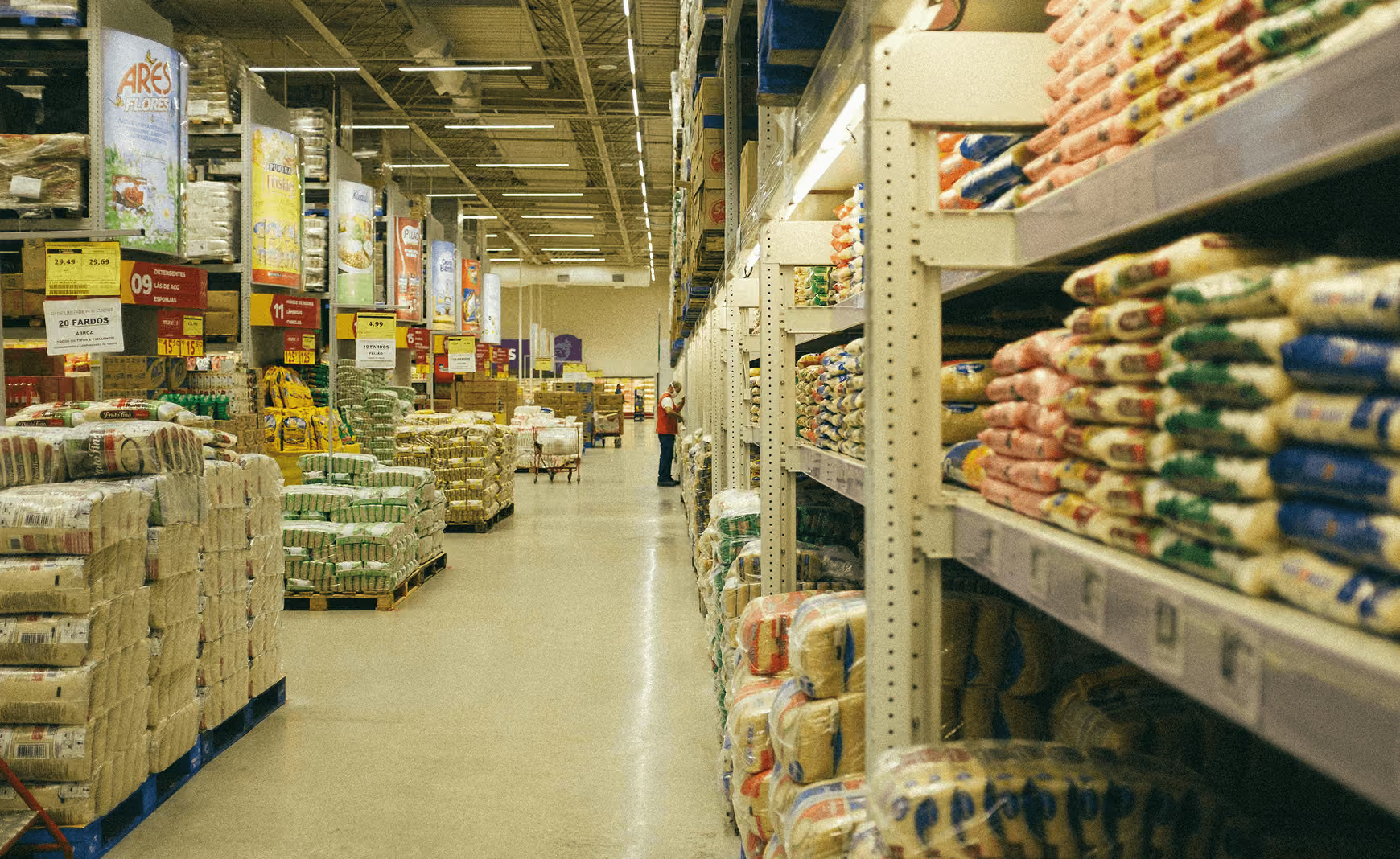
In the high-stakes world of food distribution, margins matter. Pricing decisions can make or break profitability, especially when managing a complex assortment and competitive customer expectations.
This case study shows how one leading food distributor modernized its pricing strategy using ClearDemand’s price optimization solution and unlocked $719,000 in incremental margin in just six months.
The Challenge: Manual Pricing Was a Bottleneck
The distributor had ambitious goals for profitability and consistency.
But their pricing practices held them back:
- Heavily manual workflows, prone to delay and inconsistency
- Limited visibility into pricing performance by category, region, or product type
- No elasticity data to inform whether price changes would grow or shrink margin
- No scalable system to execute pricing decisions quickly or systematically
They leaned on traditional cost-plus strategies and intuition-based pricing. This is common across the industry: Most distributors operate on net margins of just 1-3% and many still manage pricing manually, without optimization tools or elasticity modeling.
This customer was operating with legacy ERP system and contract pricing, which limited their ability to make real-time, data-driven pricing decisions.
What if pricing could become a scalable lever for profit growth – without compromising value or operational integrity?
The Solution: ClearDemand Regular Price Optimization
The supplier partnered with ClearDemand to implement a price optimization program designed to scale across regions, categories, and teams.
ClearDemand’s solution enabled:
- Rule-based pricing aligned to the business strategy and category roles
- Elasticity modeling to surface high-impact pricing opportunities
- Centralized governance to reduce ad-hoc overrides and enforce consistency
- Workflow automation to replace spreadsheet-based processes
This shifted the pricing team from reactive to strategic, allowing them to align margin targets with customer expectations and market dynamics.
The Results: $719K in Margin Lift, 196 bps Improvement
In just six months, the results spoke for themselves:
💰 +$719,000 in incremental margin
📊 +196 basis points improvement in margin rate
These improvements were achieved without broad-based price hikes. Instead, they came from targeted, data-backed pricing decisions that balanced elasticity, value perception, and strategic objectives.
Projected Impact:
Over three years, the platform is expected to generate $2.4M in incremental margin — a return comparable to large capital investments in fleet or equipment.
According to McKinsey, pricing improvements have 3-4x more impact on profit than increases in volume.
What Grocery Retailers Can Learn
1. Suppliers Are Often Behind on Price Optimization
While distributors/ suppliers are trusted retail and foodservice partners, their pricing strategies may lag behind in automation and analytics. If you’re relying on static distributor pricing, there may be untapped margin potential in how you price and promote.
2. Small Adjustments Drive Big Results
With thin margins, even a 1% price optimization uplift can yield outsized profit, especially at scale. By modeling elasticity and applying surgical adjustments, you can grow profit without harming customer trust.
3. Centralized Governance = Strategic Control
Decentralized pricing leads to inconsistency and overrides. Central pricing teams supported by optimization tools ensure that your pricing reflects local conditions and corporate goals—not just cost inputs or historical practice.
Foodservice pricing is still often driven by cost-plus methods, sales rep overrides, or contract agreements. This limits agility and makes it difficult to optimize for margin or response to demand shifts.
This grocery-focused supplier didn’t need to overhaul its product assortment or expand store count to hit its margin goals. It needed a modern approach to pricing.
By deploying ClearDemand’s regular price optimization platform, they transformed manual pricing into a scalable growth lever—and delivered real financial performance.
Want to learn how price optimization could grow your margin? Let’s talk!
Ready to see what this looks like for your team?
Explore more case studies
How one food distributor saw $719K in margin growth with price optimization
How one grocery retailer used price optimization to boost profit +2.78%
See it on your own data
Bring your categories and competitive set. See what the model recommends, and why.