
A return you can prove to your board.
Whether the plan this year is margin, volume, or revenue, pricing works on the units already moving through your stores. ClearDemand optimizes price and promotion for regional grocery and convenience, and measures what every decision returned.
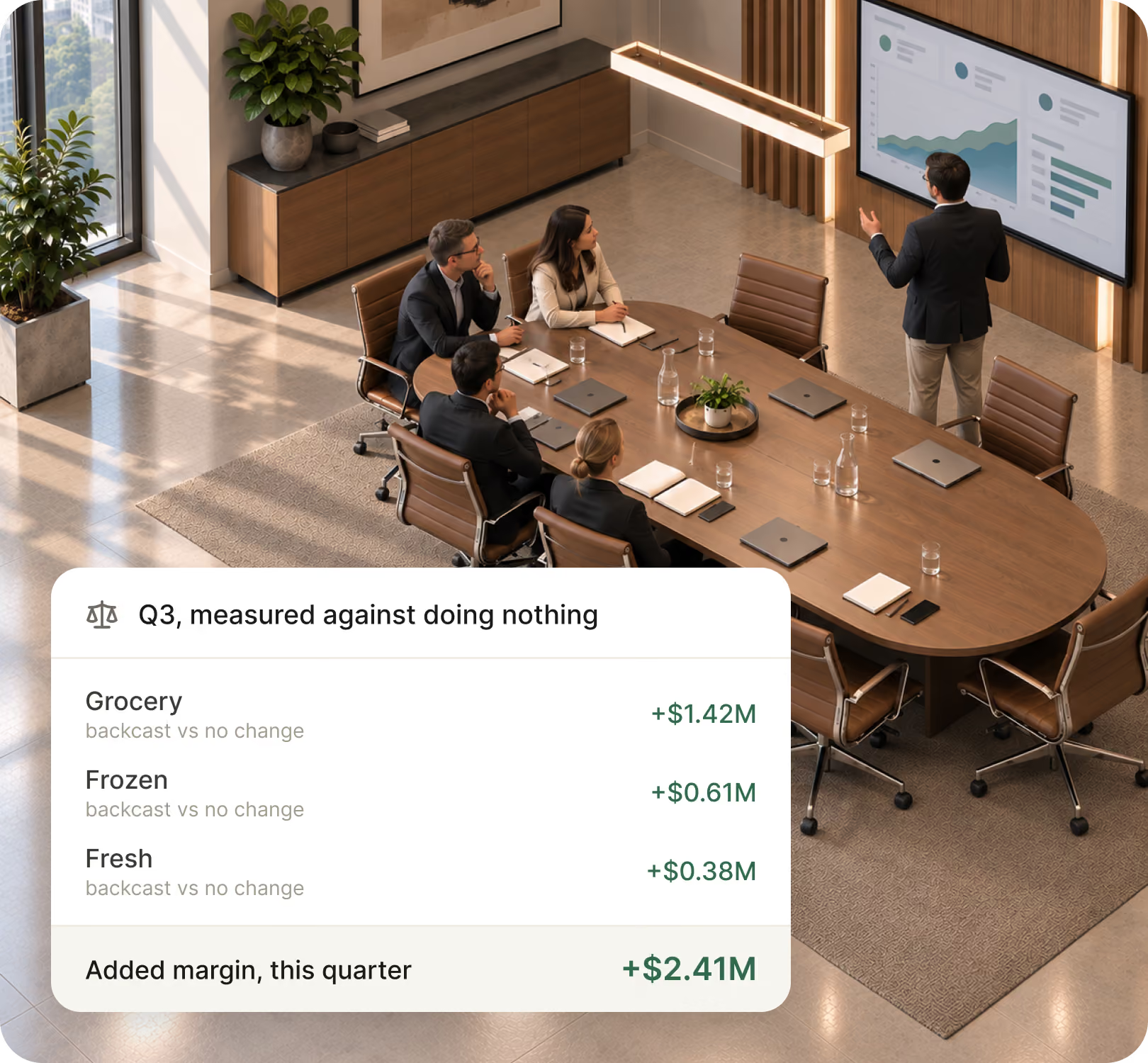




















Pricing is the cheapest margin you can buy and the hardest to prove
A remodel shows up in the store. A pricing program shows up in EBIT or nowhere, so it loses capital to the things you can point at. ClearDemand is price and promotion optimization for grocery and convenience, and every decision gets scored against doing nothing.
Capital you cannot account for
Capital you can defend to a board
Built to be measured
ClearDemand measures what every price and promotion decision returned, so the EBIT number exists before anyone asks for it. How that lands in the quarterly numbers depends on what you set out to move.
Proven margin, category by category
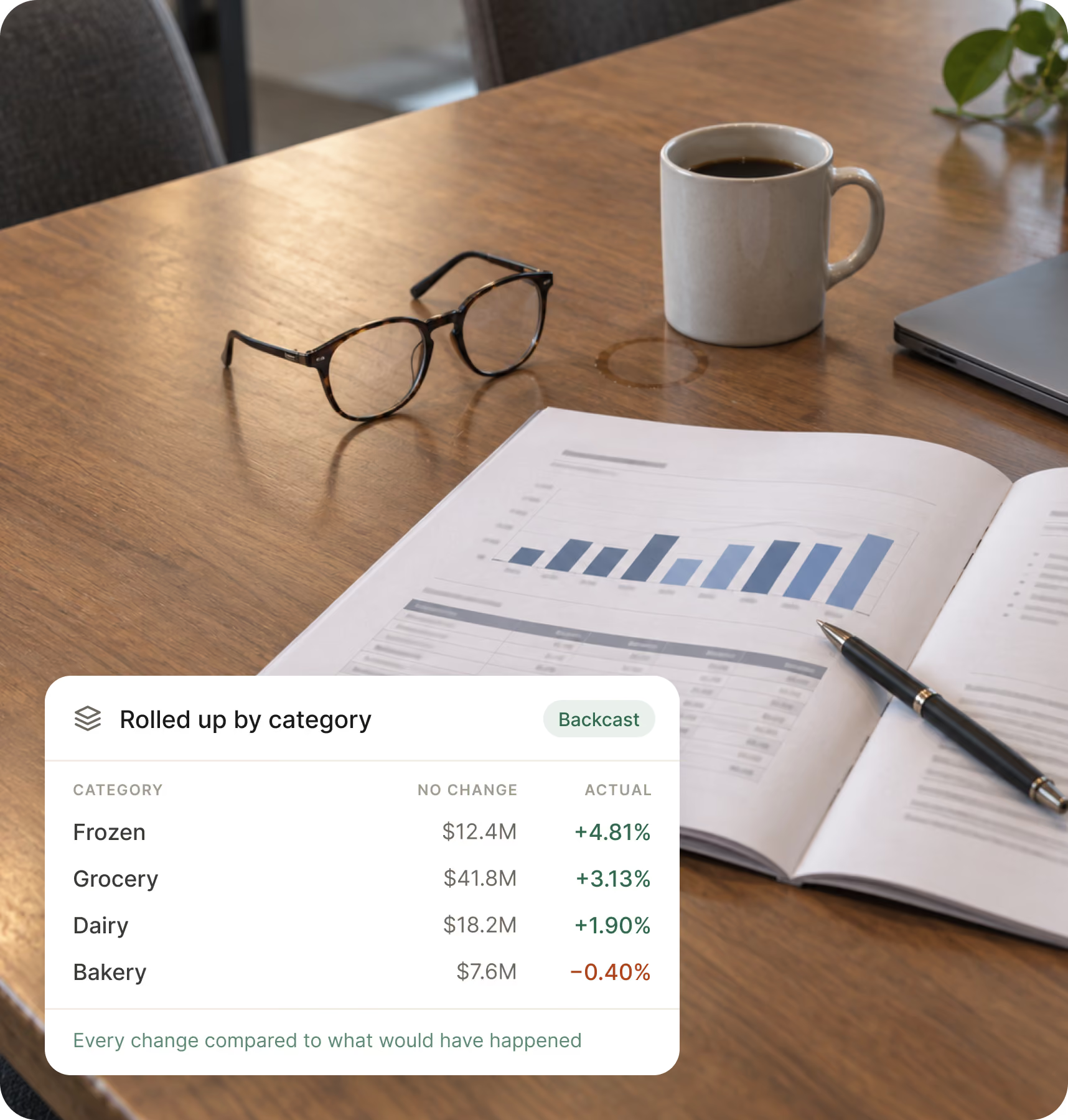
Value measurement backcasts every price change against what would have happened without it, then rolls the result up by category and banner. The number you take to your board is the number the platform measured.
Hold the basket you already have
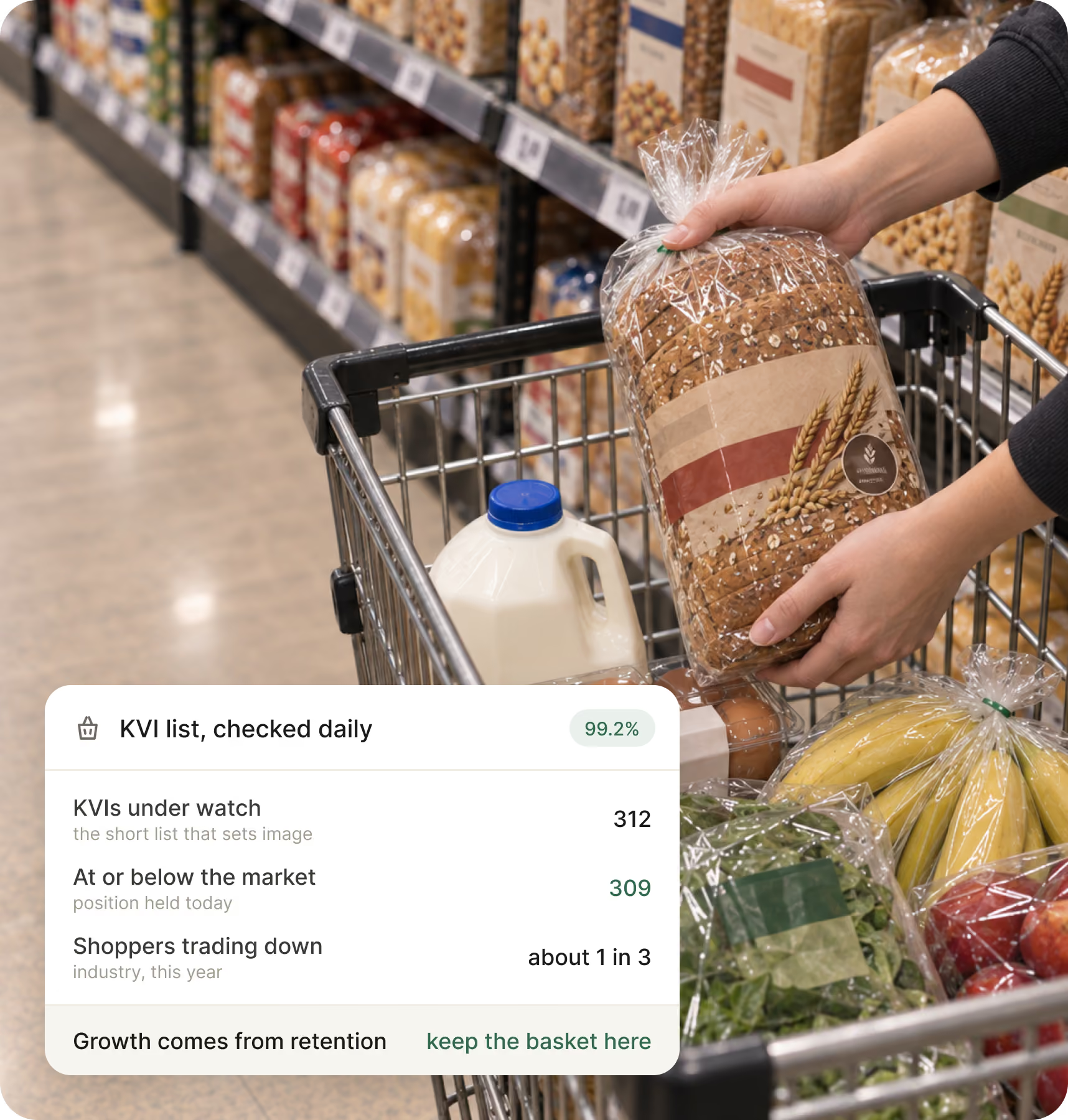
Roughly a third of shoppers are trading down, so growth comes from retention. Price image rests on a short list of KVIs, and your position against the market on those items decides whether they keep filling the basket here.
A return that compounds past year one
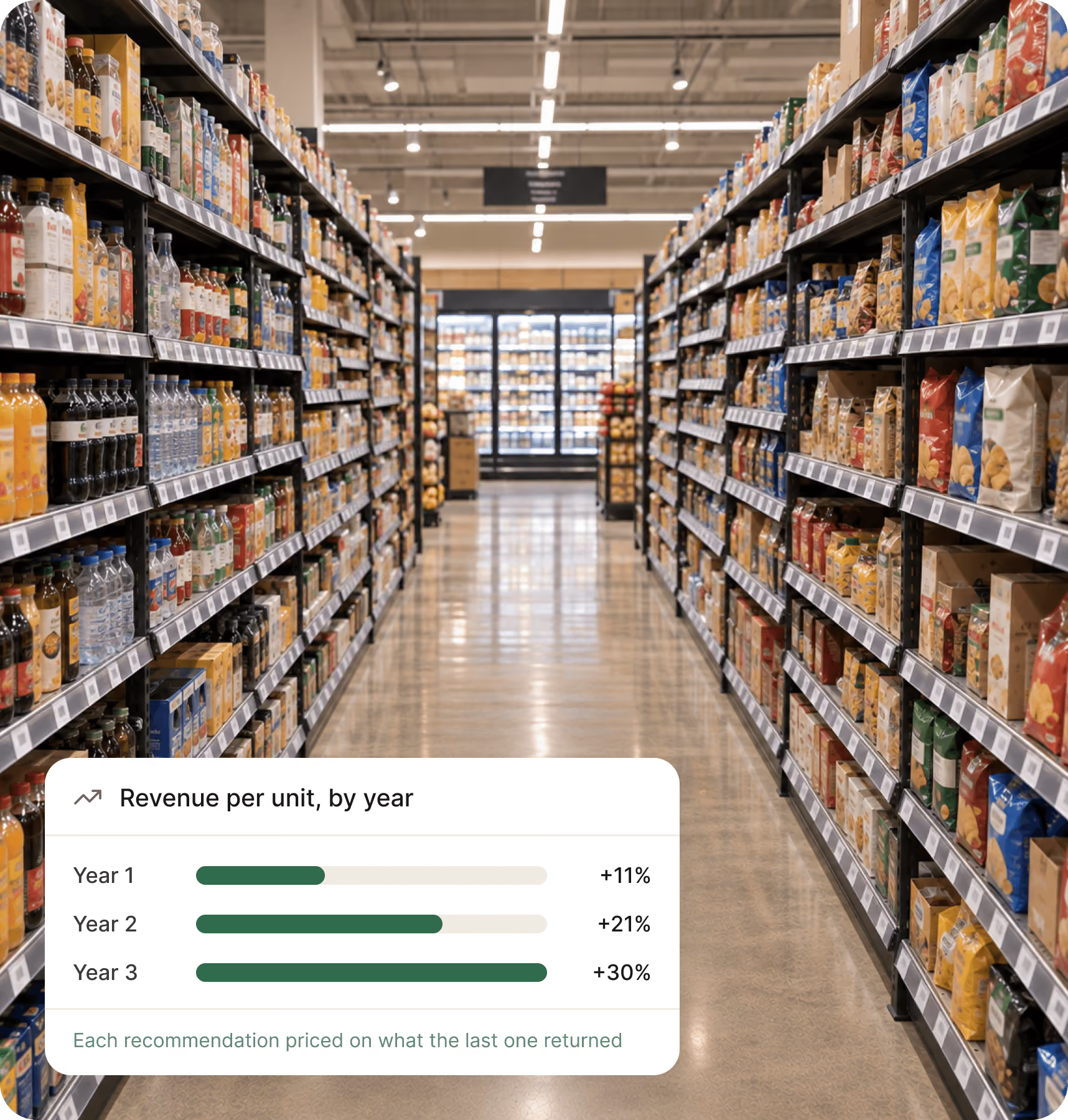
Revenue per unit improves up to 30% by year three. Our closed-loop intelligence compounds learning and improves over time. Every decision is measured, and the next recommendation is priced on what the last one returned.
Profit up 2.78% without cutting prices across the store
A premium regional grocer measured what each price decision returned and reinvested where the basket had room, lifting frozen 4.81% and grocery 3.13%.
profit lift
revenue growth
in frozen
How One Food Distributor Saw $719K in Margin Growth with Price Optimization
incremental margin in 6 months
improvement in margin rate
projected incremental margin
$6M in added profit across 600+ locations
A 600+ location operator held KVI compliance above 99% and lifted category profit about 20% across the 10-plus categories under ClearDemand management.
category profit
in two and a half years
KVI compliance
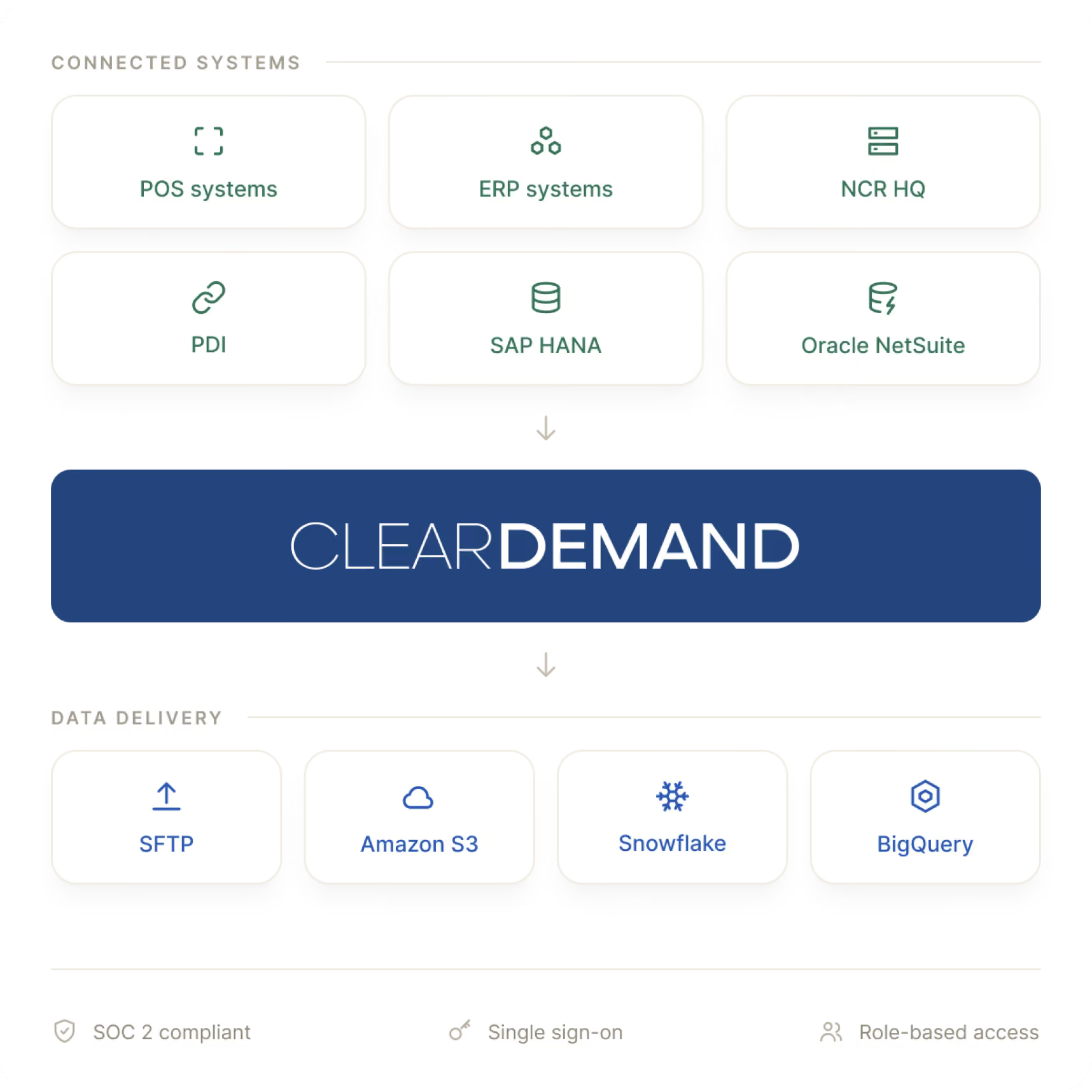
What does this replace?
ClearDemand is the only platform that unifies competitive intelligence, price optimization, and promotion optimization in one system, purpose-built for grocery and convenience. Live connections run to NCR HQ, PDI, SAP HANA, and Oracle NetSuite. One contract and one integration instead of three, and ClearDemand carries the implementation through go-live.
What to take to your board
Questions executives ask
See it on your assortment
Bring one category and your competitors. See the recommendation and the reasoning
