
Price optimization built for grocery, not generic retail
Everyday price set by item, store, and zone, using demand response, your rules, and competitive data we collect daily.
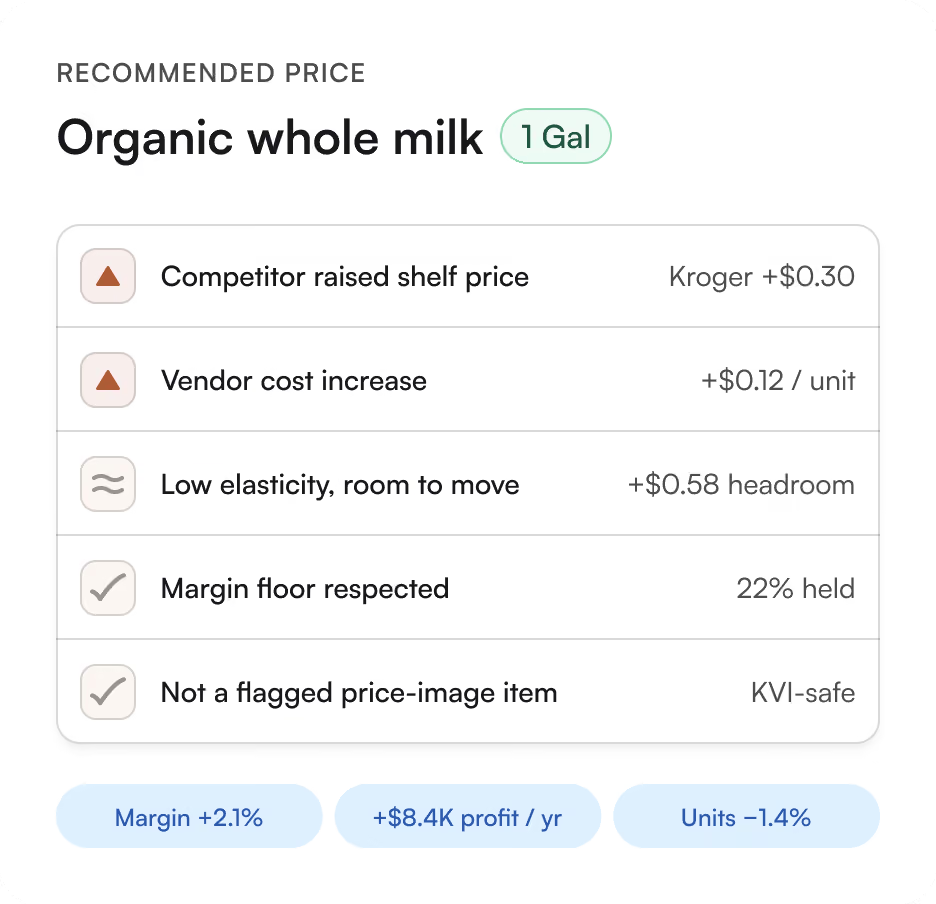

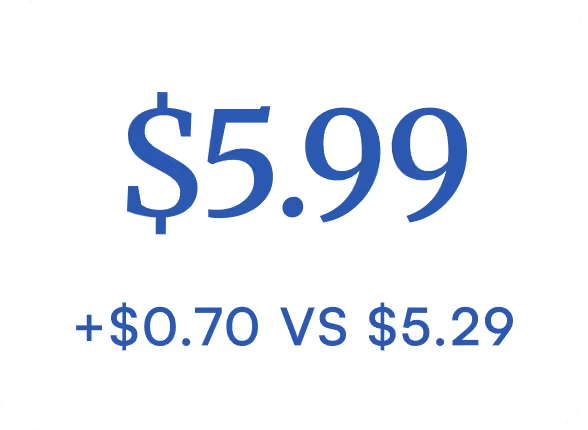



















Priced on real market data
Nine patents in pricing and data science, built for grocery since 2012, on competitive data we collect ourselves rather than license.
Why do generic pricing tools struggle in grocery?
Grocery breaks assumptions most pricing software is built on. Fresh weights, private label gaps, price families, promo overlap.
Where it breaks down
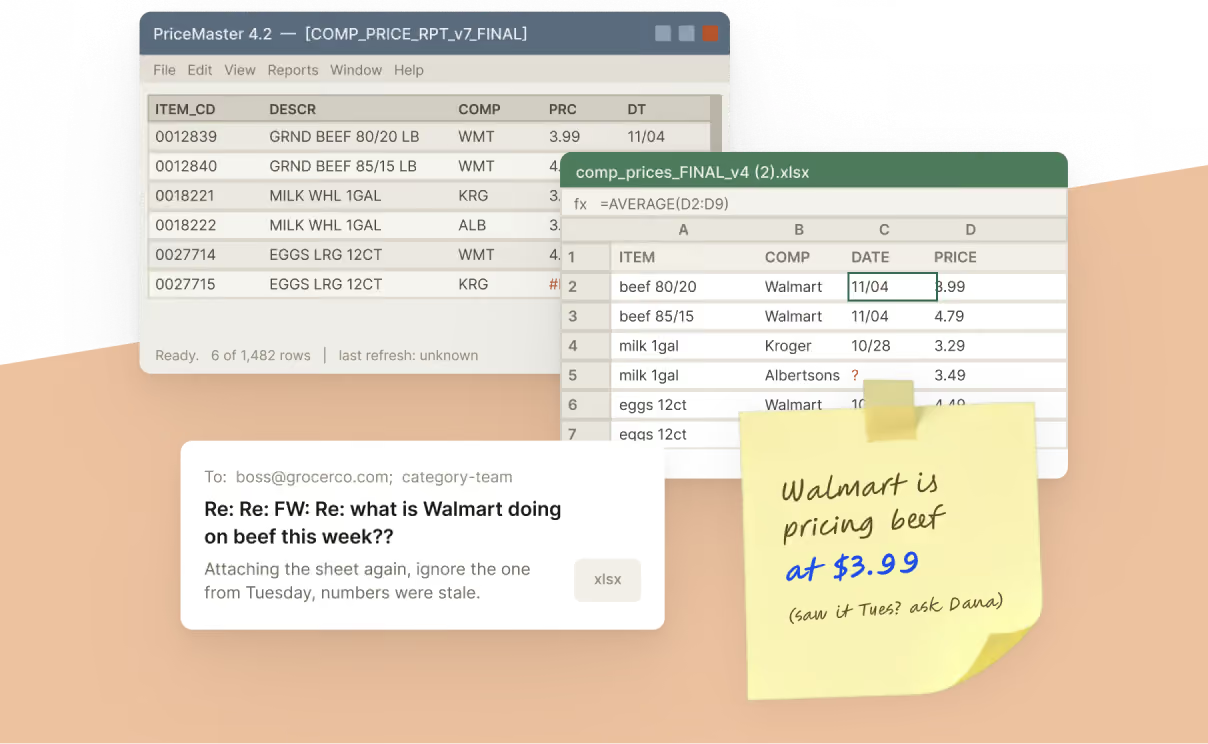
Where it comes together
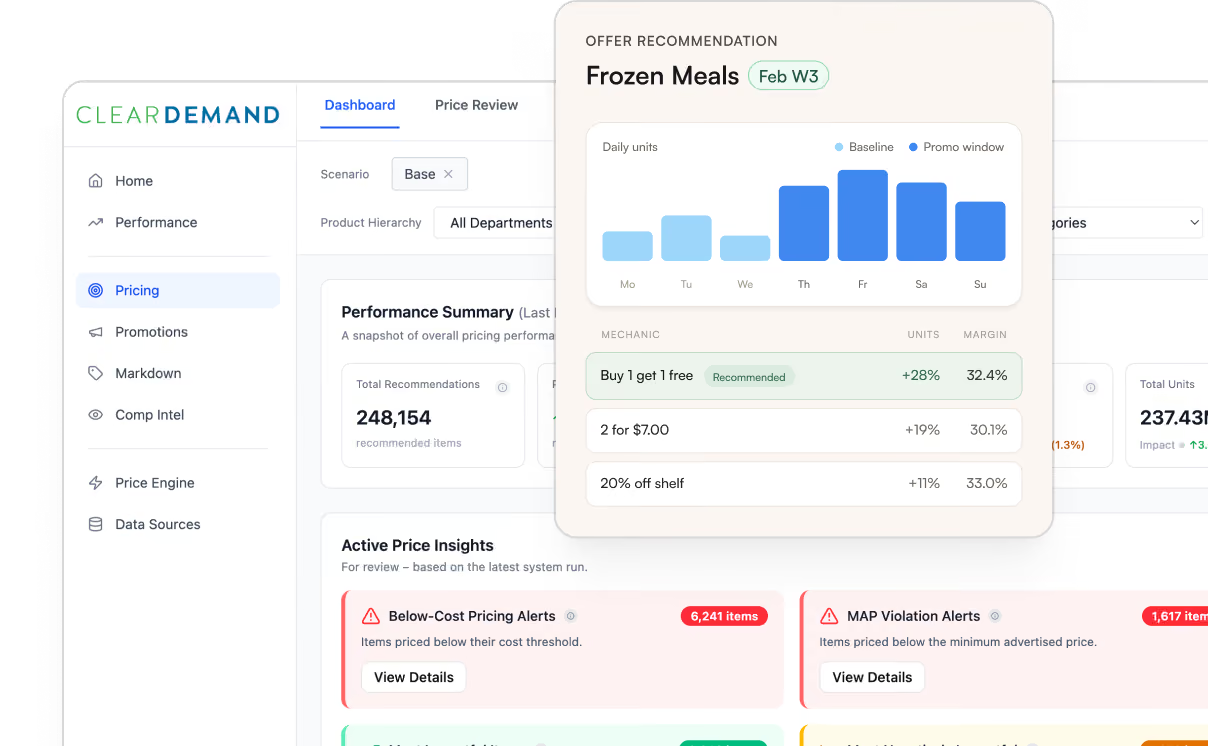
How does price elasticity work in grocery?
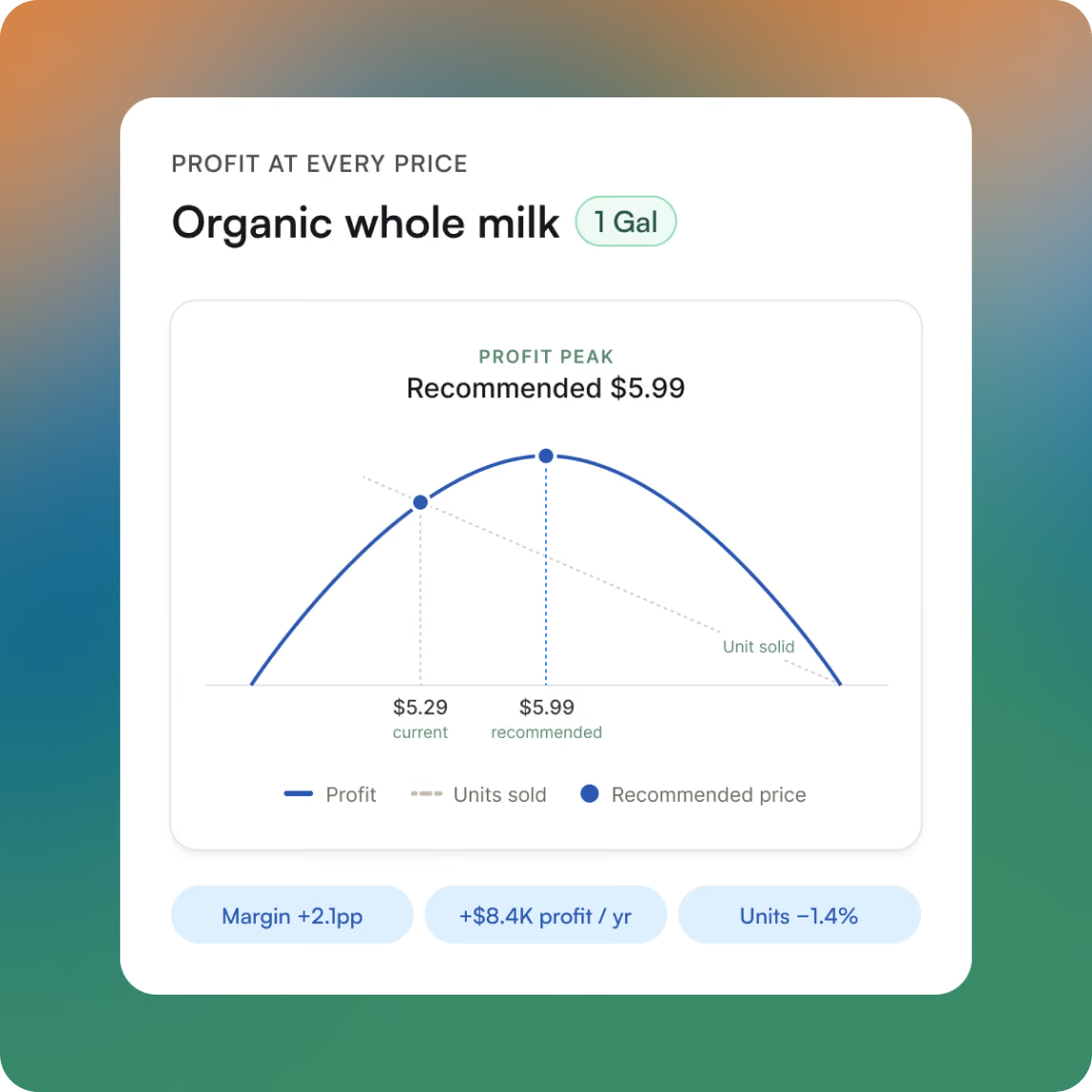
The model learns how each item responds to price, by store and by season. Where data supports elasticity it prices on demand response. Where it does not, your rules carry the item.
How do pricing rules work across an assortment?
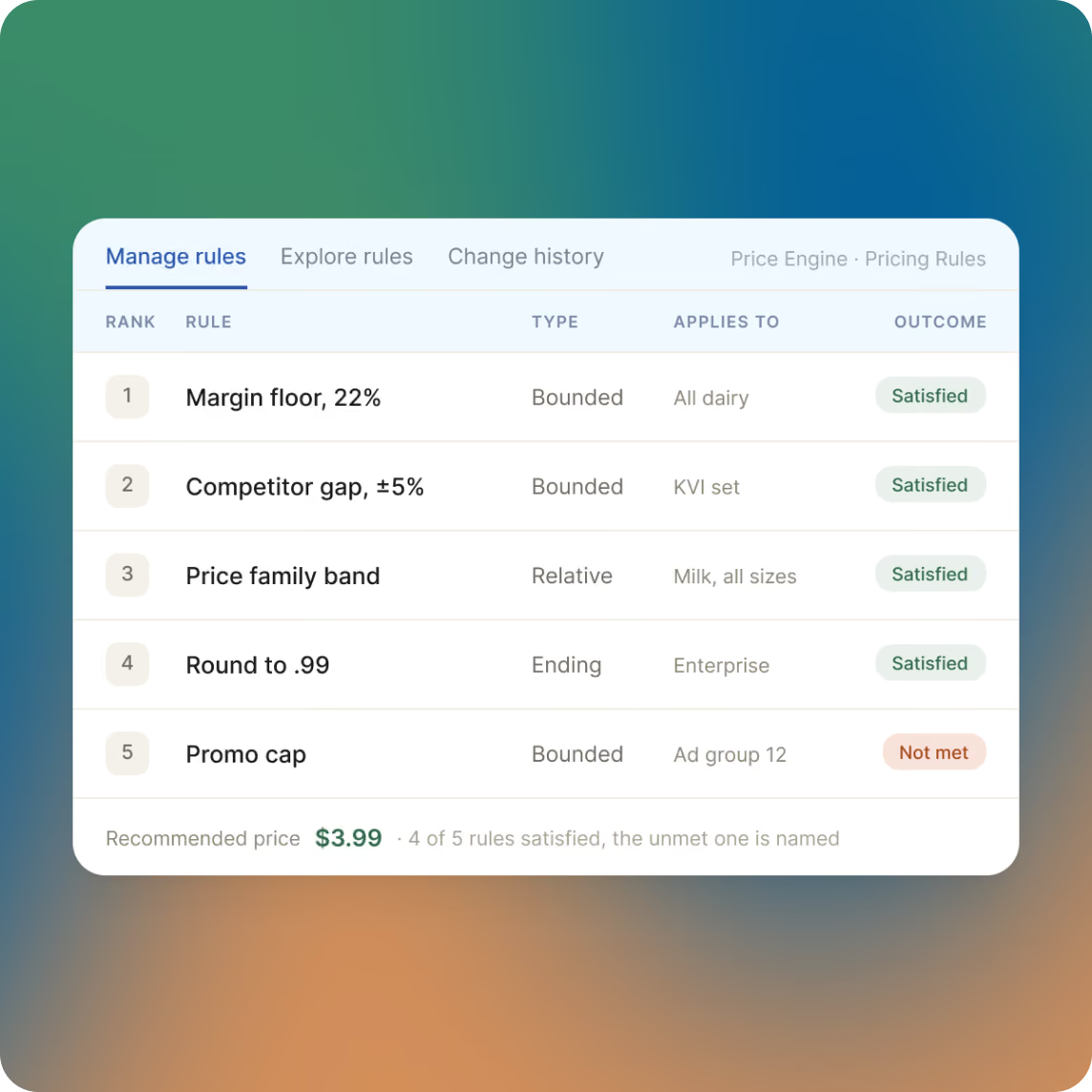
One strategy, applied to every item, every cycle, and every zone, with store groups clustered by demographics and competitive set rather than geography alone.
How do you protect price image while growing margin?
Shoppers judge you on a short list. McKinsey found roughly 71% prefer steady everyday prices to frequent promotions, so hold those sharp and find margin where shoppers do not look.
What makes grocery pricing different?
These are the problems that make grocery different. Private brands alone now sit in 92% of US households, per FMI, and each one needs a managed gap.
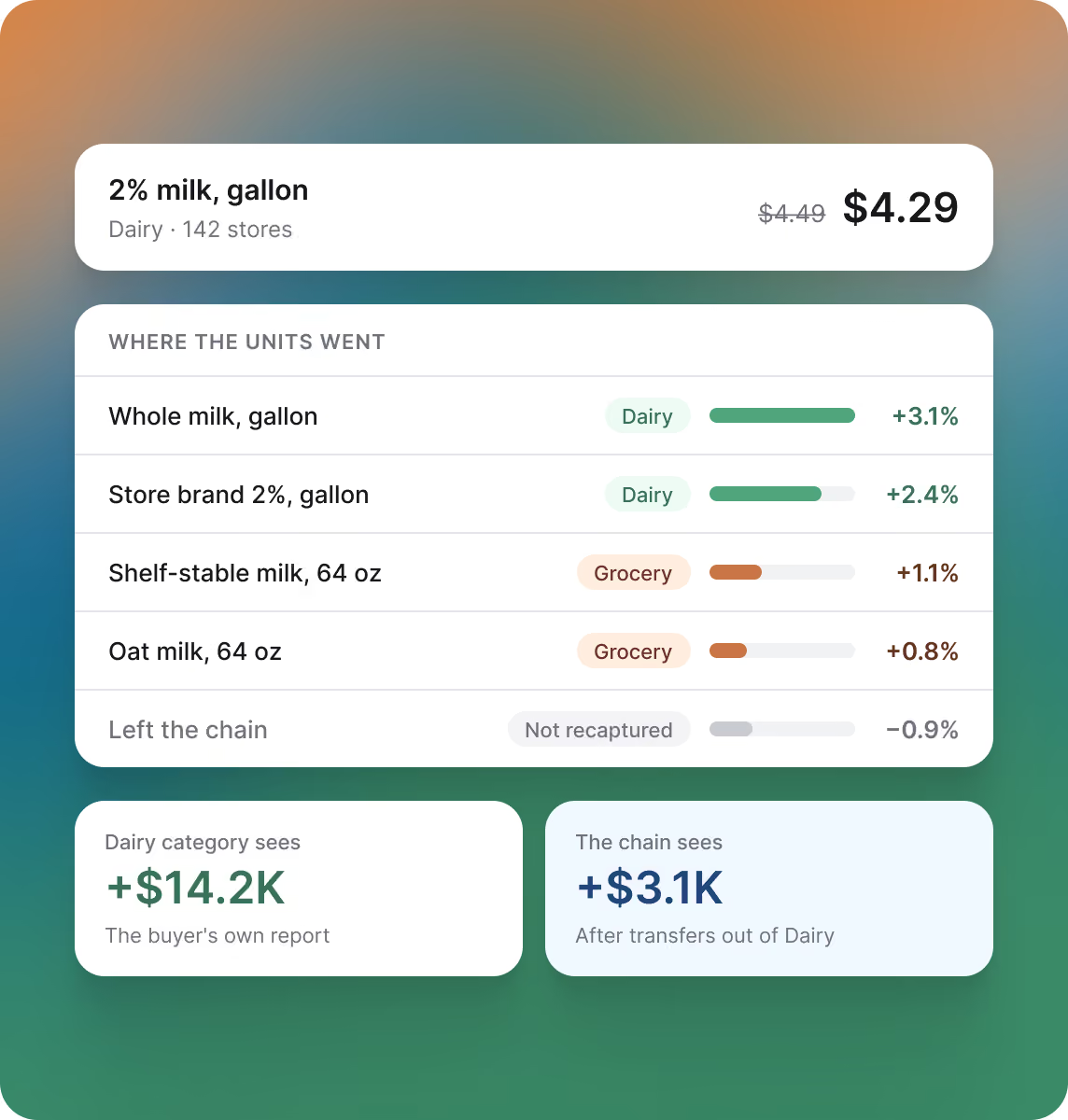
A price move on the 12oz pulls from the 24oz. The model prices the family on basket economics, not the item alone.
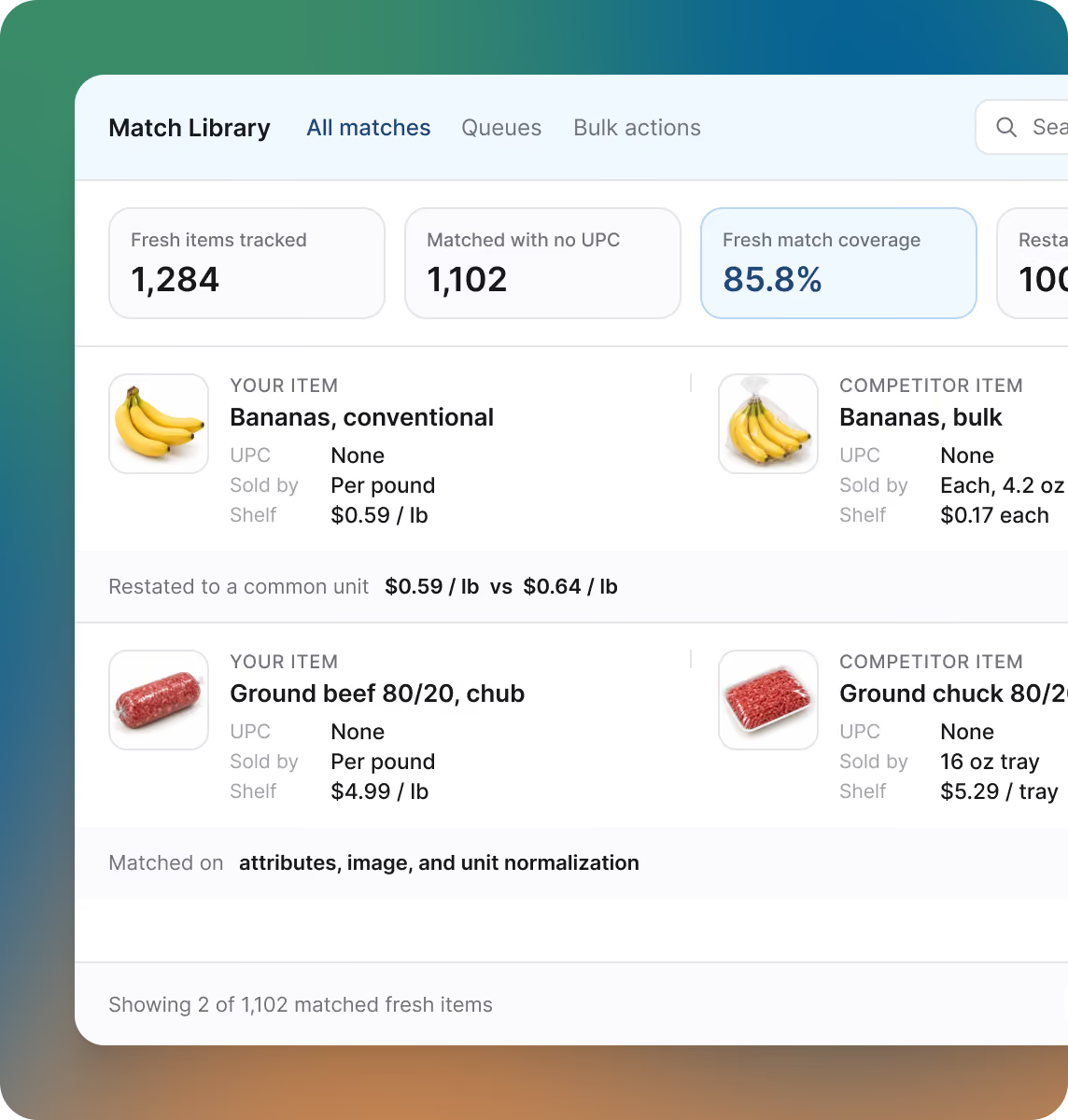
Produce, deli, bakery, and meat matched with weights and pack sizes equalized, so comparisons are true price per unit.
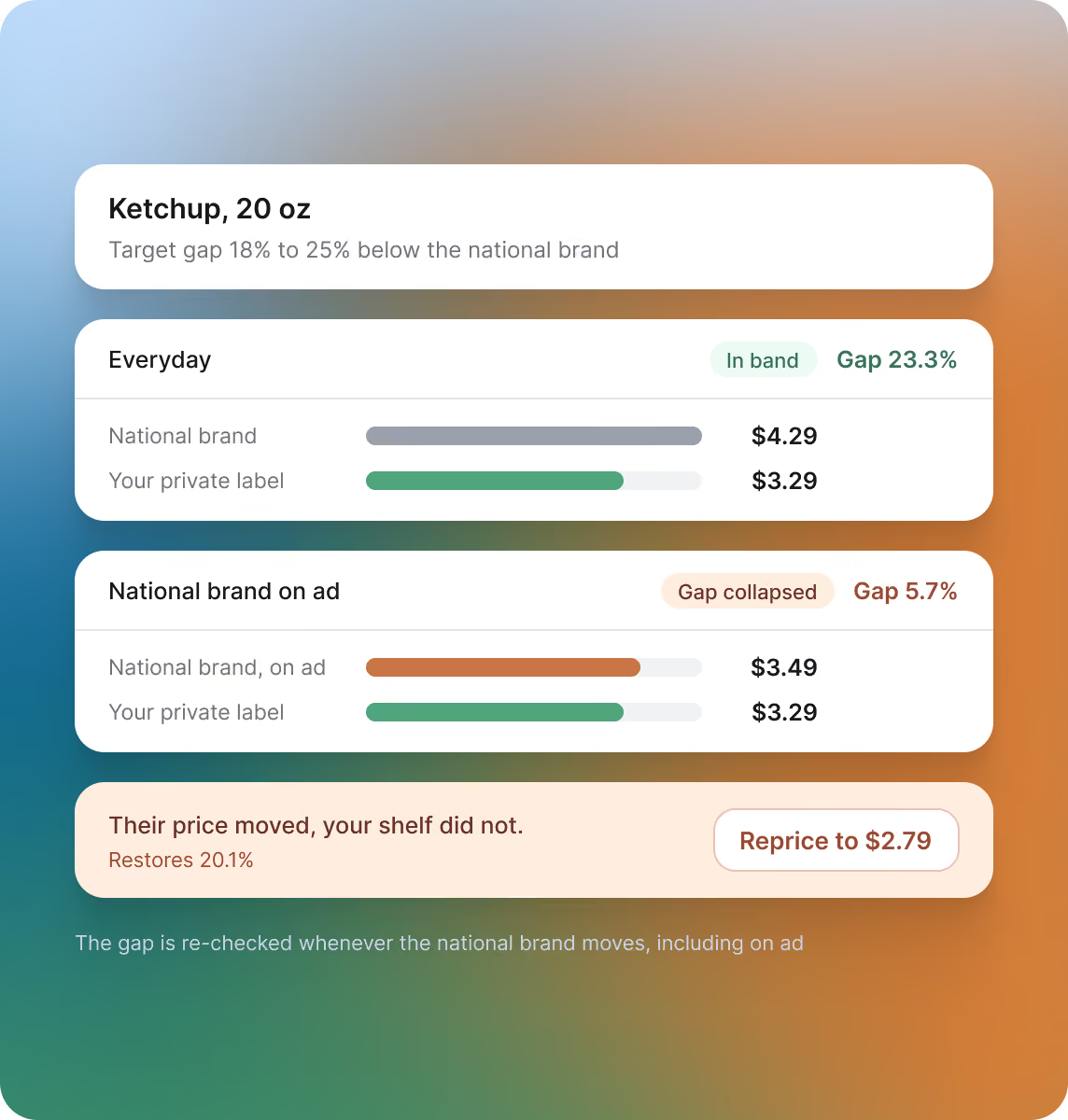
Your opening price point held against the national brand equivalent, automatically, as the branded price moves.
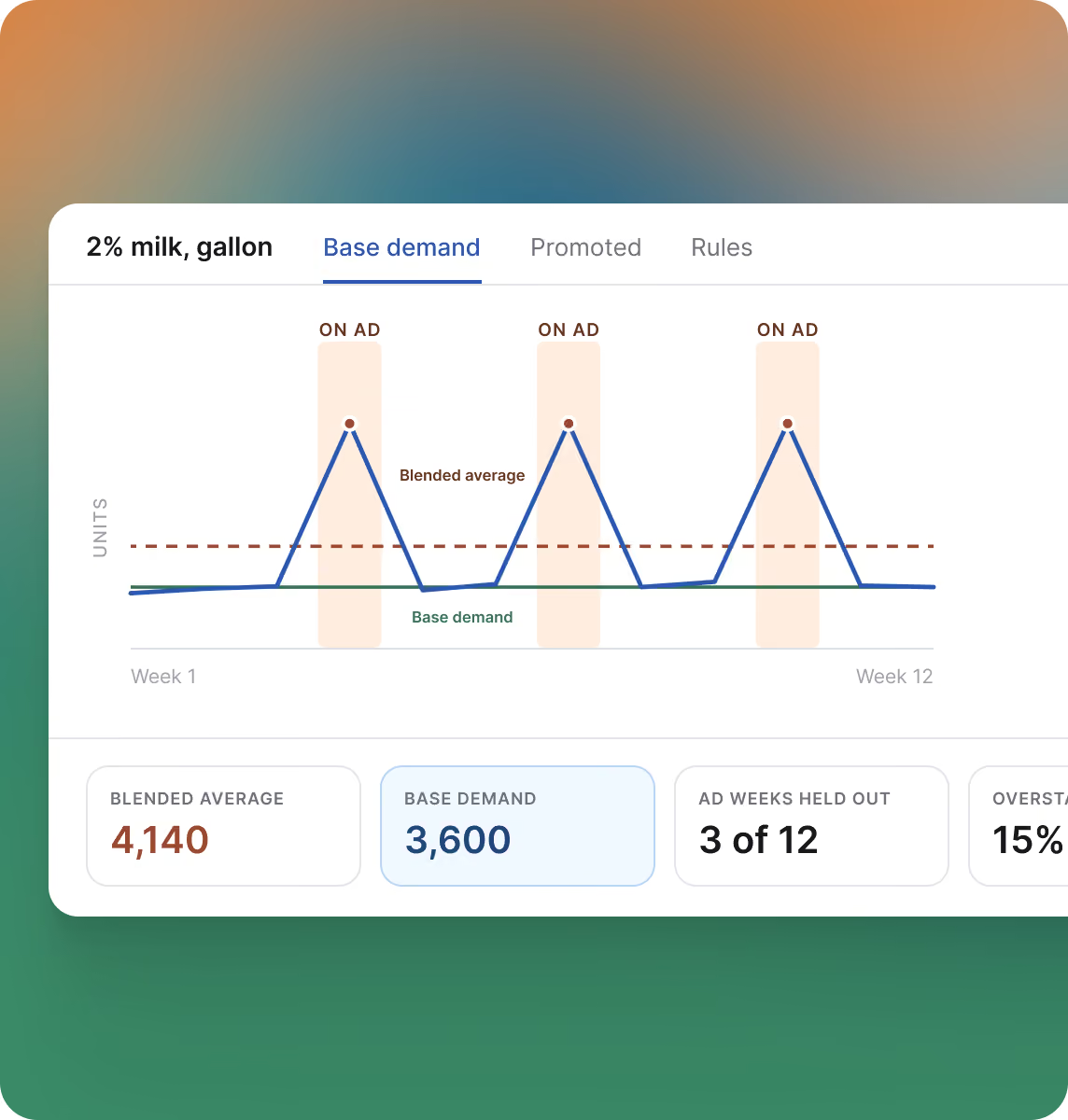
The base price engine never recommends a cut on an item already running a promotion.
How does a lean team price the full assortment?
McKinsey found pricing and promotions among the least AI-invested functions in grocery. The gap is rarely ambition. It is the volume of decisions.
Every SKU, every zone
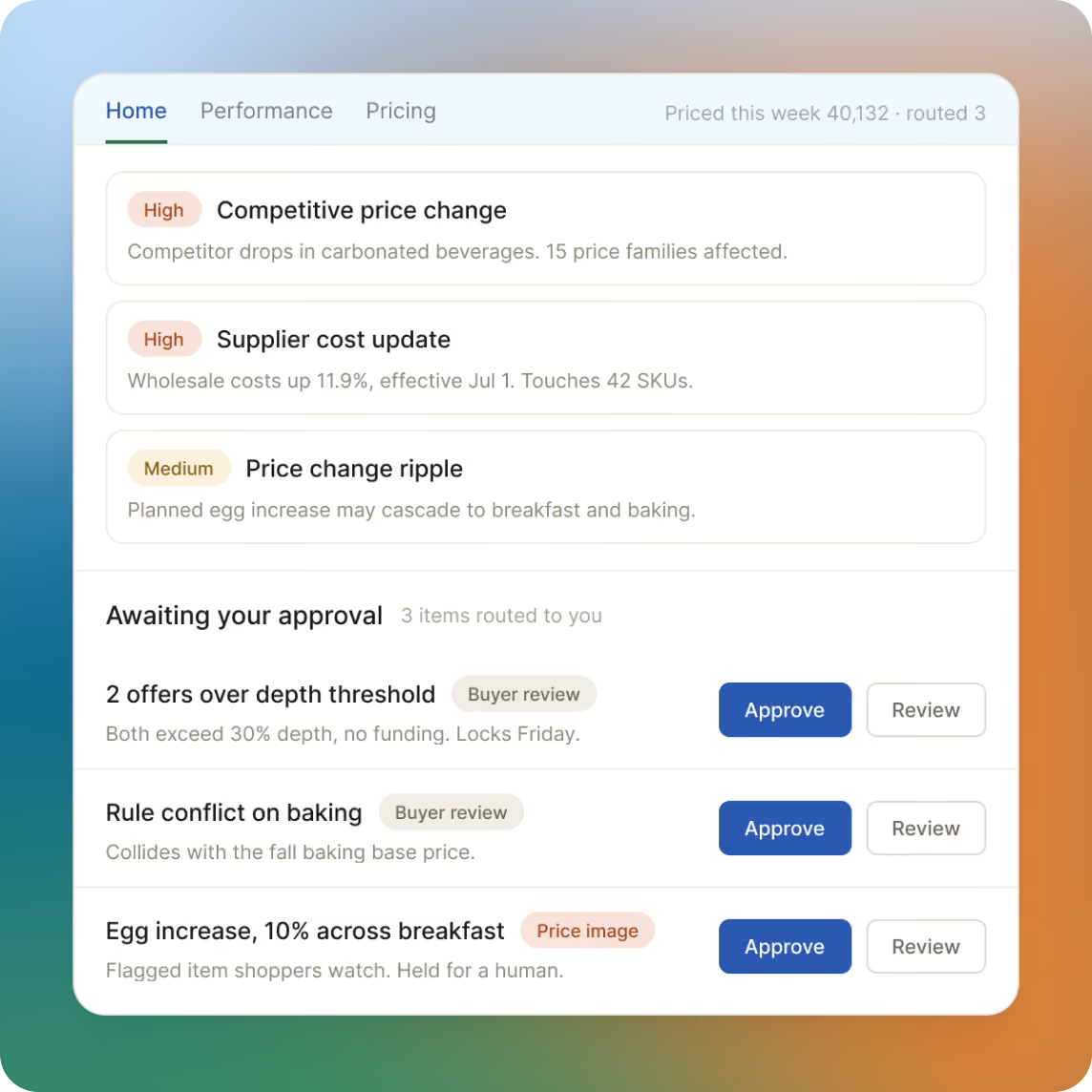
A ranked queue
Bulk approval
Event triggers
Full audit trail
Value, measured
From the pricing seat
IDC found 56% of retailers plan to increase price optimization spend within 12 months. Here is one who already did.
Four modules, one demand model
Fund the offers that earn their keep
Model deal mechanics, depth, and timing against the base price behind them, and see the basket impact before the ad drops.
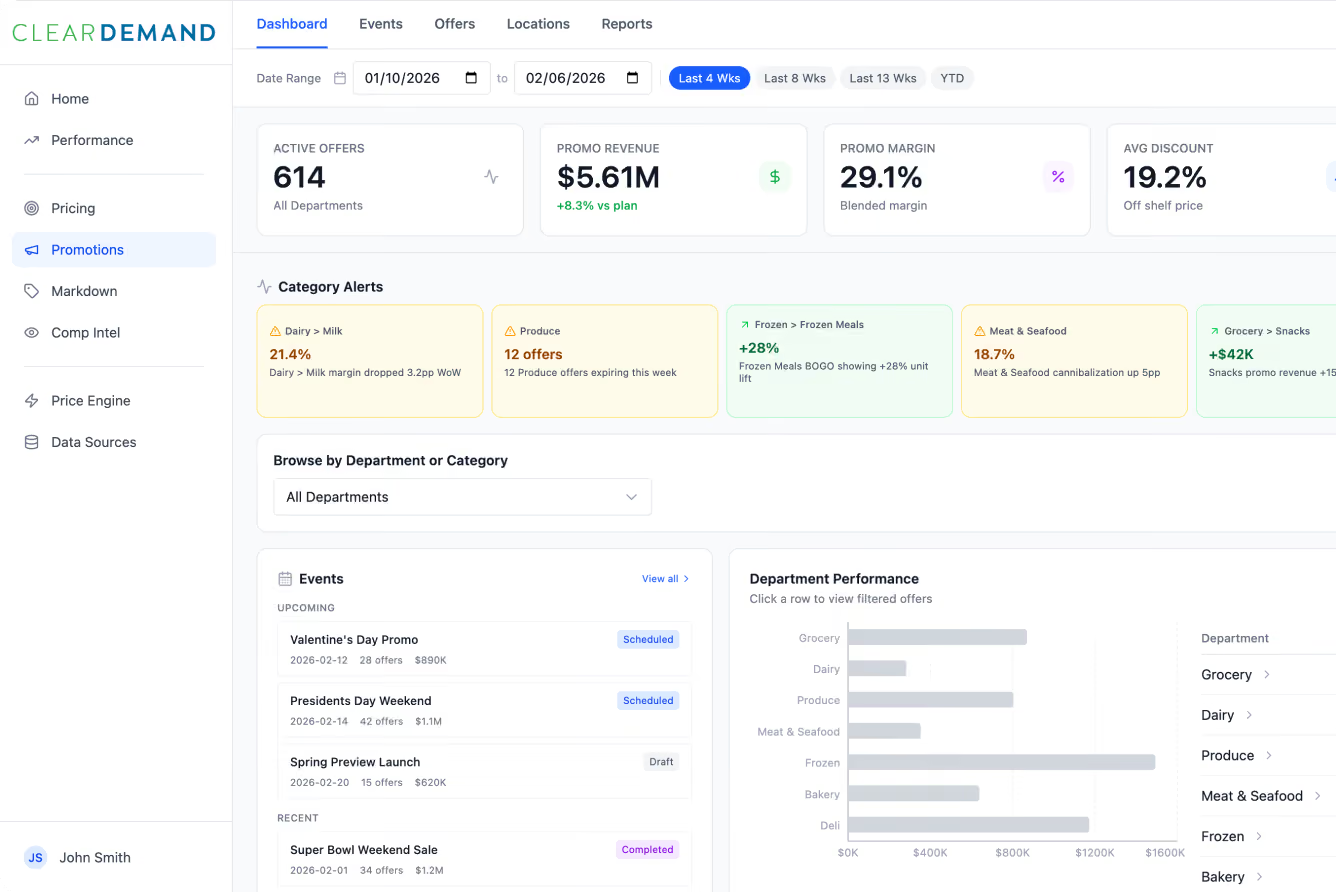
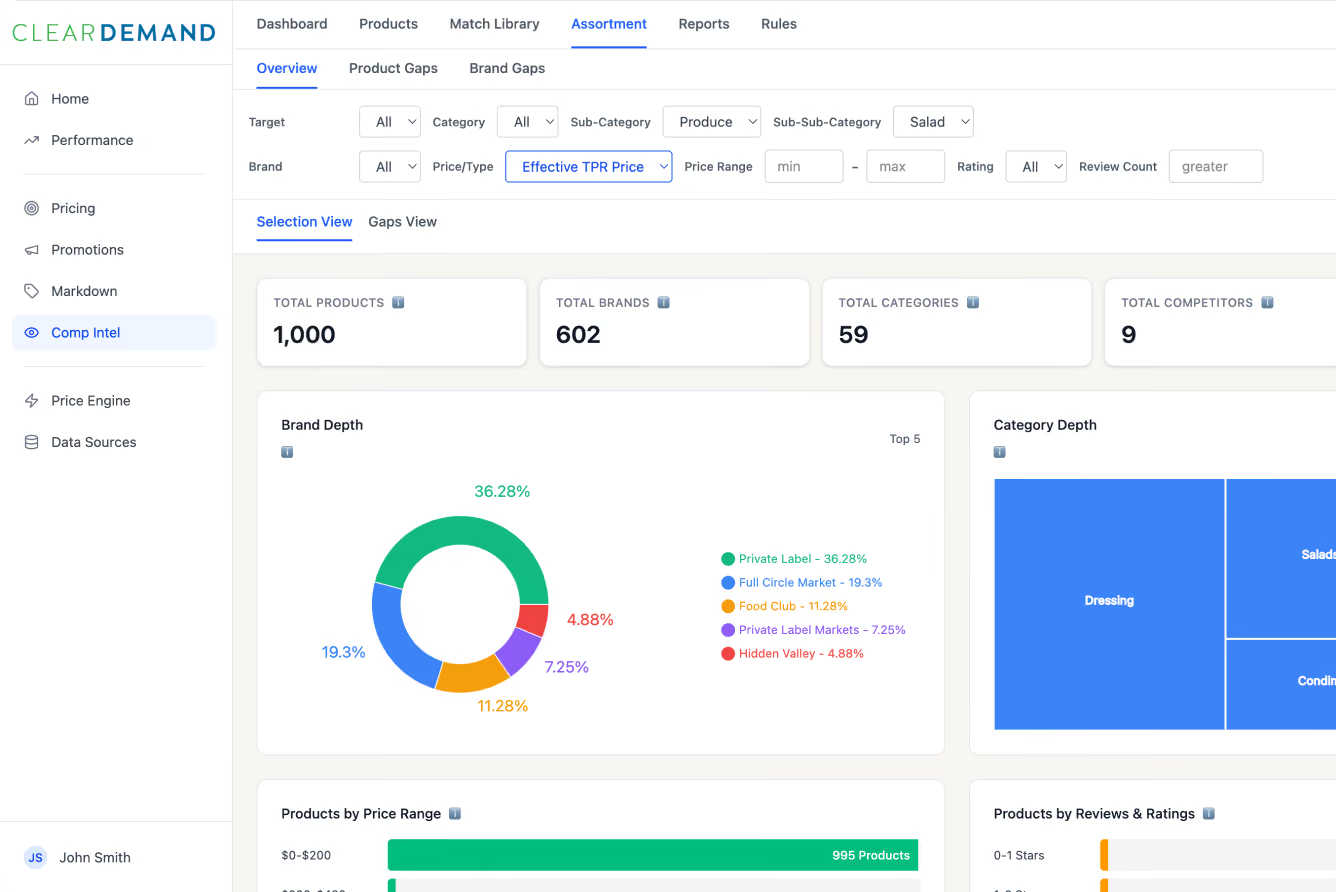
The market, matched to your catalog
7M+ competitive prices a day across a 240+ retailer network, matched to your items and fed straight into the price recommendation.
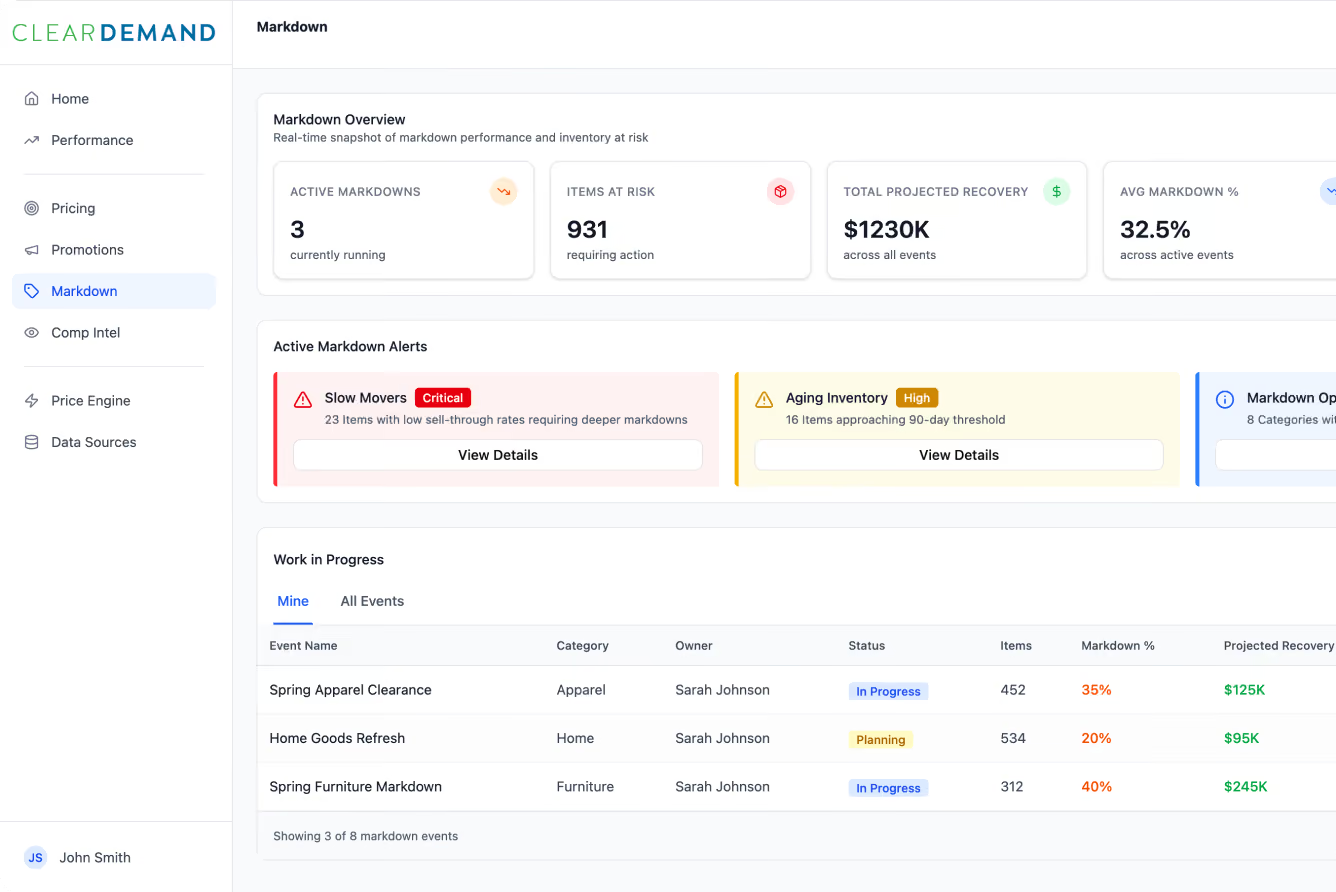
Clear inventory without giving away margin
Markdown timing and depth priced on demand response and inventory position rather than a blanket percentage off.
Frequently asked questions
See it on your assortment
Bring one category and your competitors. See the recommendation and the reasoning
